



What's Happening?
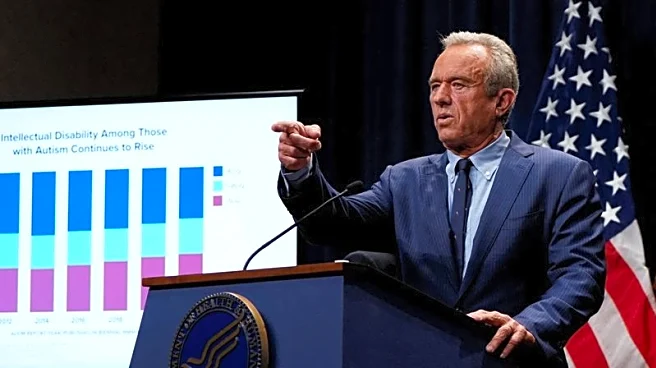
A recent article documented a weeklong experiment following Robert F. Kennedy Jr.'s diet guidelines, which prioritize whole foods and are designed to be affordable at $15 a day. The experiment, intended to be lighthearted, went viral and sparked a significant
public reaction. Readers expressed strong opinions, with some offering cooking tips and sharing personal health journeys, while others criticized the budget as either too high or too low. The debate highlighted how food choices are often intertwined with identity, class, and politics. The article also featured interviews with individuals who shared their diverse approaches to food, emphasizing the complexity and personal nature of dietary habits.
Why It's Important?
The public reaction to the diet experiment underscores the deep-seated emotions and societal issues surrounding food choices in the U.S. Food is not just about sustenance; it is a reflection of personal values, economic status, and cultural identity. The polarized responses reveal how food can become a battleground for broader societal debates, including health, economic inequality, and political ideologies. This discourse is significant as it highlights the challenges faced by individuals in making dietary choices amidst varying economic and social pressures. It also points to the need for greater understanding and empathy in discussions about food and health.
What's Next?
The ongoing conversation about food choices and dietary guidelines is likely to continue, with potential implications for public health policies and consumer behavior. As individuals and policymakers grapple with these issues, there may be increased advocacy for more inclusive and accessible nutrition education. Additionally, the debate could influence future dietary guidelines and food-related initiatives, as stakeholders seek to address the diverse needs and preferences of the population. The discussion may also prompt further exploration of the economic and commercial forces that shape eating habits in the U.S.
Beyond the Headlines
The intense reactions to the diet experiment highlight the ethical and cultural dimensions of food choices. The moralization of food, where certain diets are deemed 'good' or 'bad,' reflects broader societal attempts to establish order and control. This phenomenon raises questions about autonomy, judgment, and the role of societal norms in shaping individual behavior. The discourse also points to the potential for food to serve as a unifying force, fostering community and shared experiences, despite the divisive nature of the debate.