
What's Happening?
As summer approaches, Consumer Reports emphasizes the importance of selecting the appropriate air conditioner to ensure comfort and energy efficiency. The organization highlights that choosing the wrong
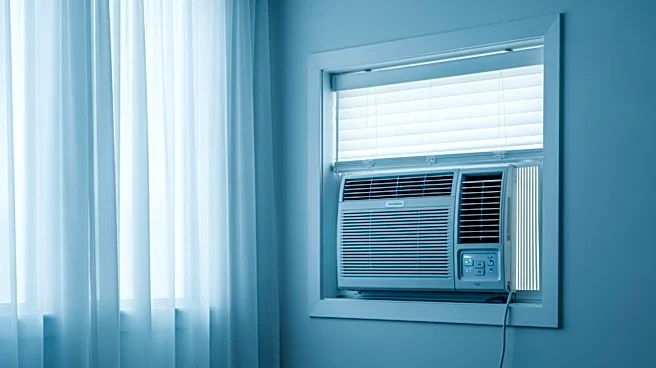
size unit or neglecting maintenance can lead to discomfort and increased energy costs. Consumer Reports' testing lab simulates hot summer conditions to evaluate air conditioners' performance. They recommend matching the AC unit to the room size, as a unit too small may fail to cool the space, while one too large can waste energy and leave the room humid. For midsized rooms, an LG model is recommended. Additionally, ductless mini-split systems are suggested for those without central air conditioning, offering efficient cooling and heating options. Regular maintenance, such as cleaning filters and coils, is advised to optimize performance.
Why It's Important?
The guidance from Consumer Reports is crucial for consumers looking to make informed decisions about air conditioning purchases, which can significantly impact household energy consumption and costs. Properly sized and maintained air conditioners not only enhance comfort but also contribute to energy efficiency, reducing utility bills and environmental impact. As energy costs continue to rise, consumers are increasingly seeking ways to manage expenses, making this advice timely and relevant. The emphasis on maintenance also highlights the importance of prolonging the lifespan of appliances, which can lead to long-term savings and sustainability.
What's Next?
As the summer season progresses, consumers are likely to heed Consumer Reports' advice, leading to increased demand for appropriately sized and efficient air conditioning units. Retailers may see a surge in sales of recommended models, particularly those highlighted for their performance in Consumer Reports' tests. Additionally, the focus on maintenance may drive demand for related services and products, such as replacement filters and professional cleaning services. Manufacturers may also respond by promoting energy-efficient models and offering incentives to attract environmentally conscious consumers.