
What's Happening?
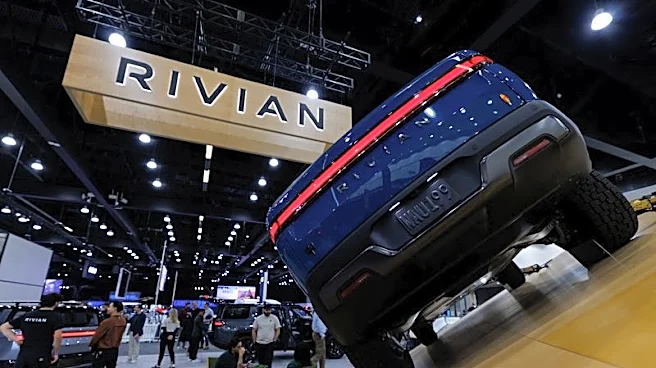
ALSO, a small electric vehicle company spun out of Rivian, has successfully raised $200 million in a Series C funding round led by Greenoaks Capital. This round also saw participation from Prysm Capital and a strategic investment from DoorDash. The funding values
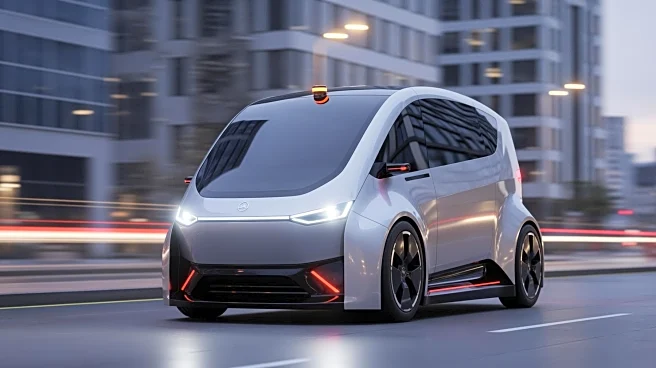
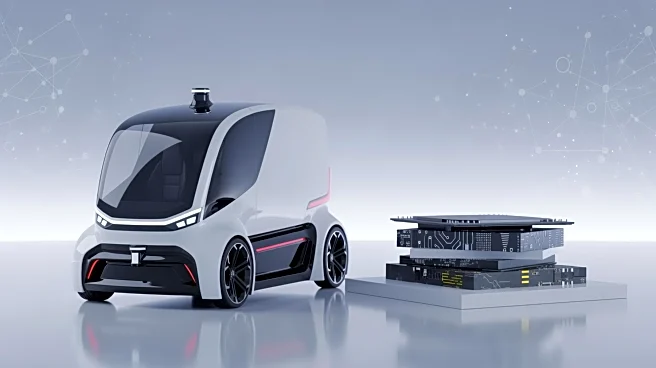
ALSO at over $1 billion. As part of the investment, ALSO and DoorDash have entered into a multi-year commercial agreement to develop and deploy autonomous delivery vehicles. DoorDash co-founder Stanley Tang will join ALSO as a Board Observer. The company focuses on creating vehicles specifically designed for last-mile delivery in dense urban environments, such as bike lanes and tight curbs. Their current lineup includes the TM-B e-bike and the TM-Q cargo EV, the latter being a likely candidate for DoorDash's delivery operations.
Why It's Important?
This development is significant as it represents a major step forward in the deployment of autonomous delivery vehicles in the U.S. market. The partnership with DoorDash, a leading food delivery service, provides ALSO with a substantial platform to test and scale its vehicles. This could potentially reduce delivery costs and improve efficiency in urban areas. The investment and partnership highlight the growing interest and investment in autonomous vehicle technology, particularly for last-mile delivery solutions. This move could set a precedent for other companies in the logistics and delivery sectors to explore similar technologies.
What's Next?
ALSO plans to begin delivering its initial products in the U.S. by 2026, with plans for international expansion thereafter. The partnership with DoorDash is expected to provide a real-world testing ground for these vehicles, moving beyond controlled pilot conditions. The success of this deployment could influence other delivery services to adopt similar technologies, potentially transforming the logistics industry. Stakeholders will be watching closely to see how effectively these vehicles can be integrated into existing delivery networks and whether they can meet the demands of urban delivery challenges.