





What's Happening?
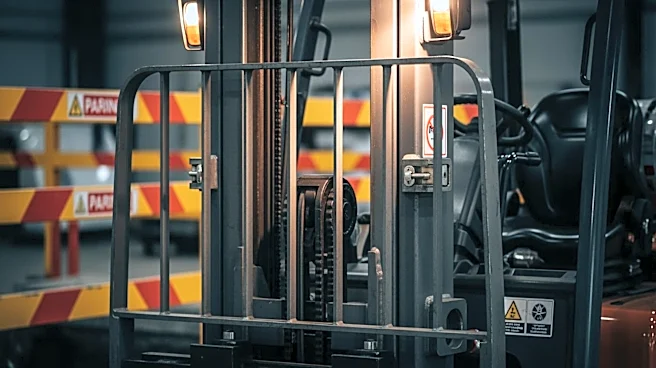
Forklift safety is a critical concern across various industries, and the Occupational Safety and Health Administration (OSHA) has highlighted the importance of a multi-layered approach to ensure safe lift truck operations. This approach includes comprehensive
operator training, the use of advanced safety features on lift trucks, and the optimization of the operating environment. Operator training is foundational, requiring formal instruction, hands-on training, and evaluation. Digital training aids and simulators are recommended to standardize instruction and engage the workforce effectively. Additionally, automated lift trucks can support safety by following predefined routes and protocols, allowing human operators to focus on more complex tasks. The lift trucks themselves are equipped with operator assist solutions, such as warning lights, audible alarms, and collision avoidance systems, to enhance safety. The operating environment is also crucial, with telemetry systems like Hyster Tracker providing insights into equipment and operator interactions, enabling data-driven safety improvements.
Why It's Important?
The emphasis on a multi-layered safety approach is significant as it addresses the complex nature of forklift operations, which are integral to many industries. By enhancing safety protocols, companies can reduce the risk of workplace injuries, which can lead to costly downtime and legal liabilities. The integration of technology, such as telemetry systems and automated lift trucks, not only improves safety but also increases operational efficiency by reducing human error and optimizing workflow. This approach benefits businesses by potentially lowering insurance costs and improving employee morale and productivity. Furthermore, it aligns with OSHA's regulatory requirements, helping companies avoid penalties and maintain compliance.
What's Next?
As industries continue to adopt these safety measures, there may be an increased demand for advanced training programs and technology solutions that support forklift safety. Companies might invest more in automation and telemetry systems to further enhance safety and efficiency. Additionally, ongoing evaluation and adaptation of safety protocols will be necessary to address emerging risks and technological advancements. Stakeholders, including industry leaders and safety regulators, are likely to continue collaborating to develop best practices and standards that ensure the safety of forklift operations.