







What's Happening?
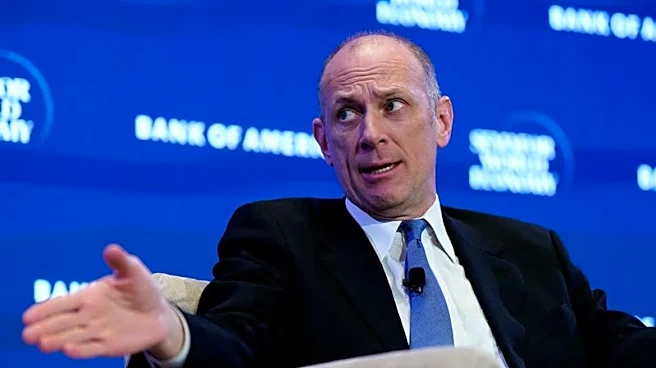
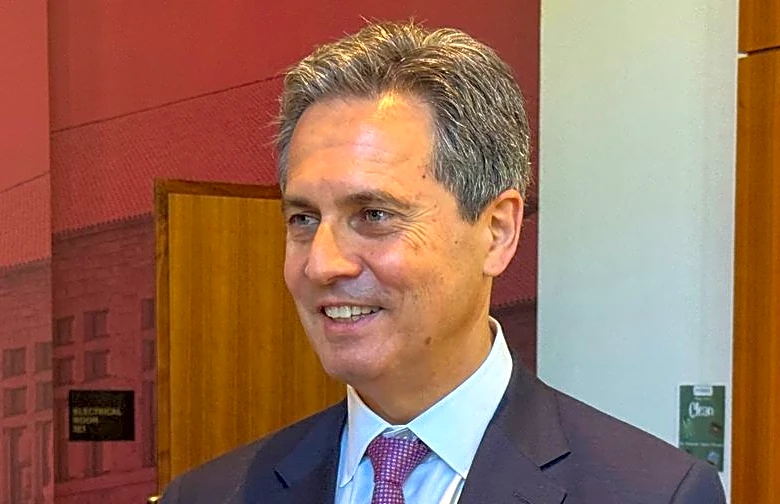
Neel Kashkari, President of the Federal Reserve Bank of Minneapolis, emphasized the importance of controlling inflation over maintaining labor market stability. Speaking at the Bank of Japan-IMES Conference, Kashkari highlighted that consumer prices in the U.S.
remain excessively high, surpassing the Federal Reserve's 2% target for over five years. Despite acknowledging the labor market's current 'decent shape,' he stressed the need to focus on inflation to prevent unanchored inflation expectations, which could necessitate more aggressive responses. Kashkari attributed the inflationary pressures to global factors such as the COVID-19 pandemic, tariffs, and geopolitical conflicts, including the war in Ukraine and tensions in Iran. He also discussed the potential impact of artificial intelligence on productivity and monetary policy, noting that while AI could lead to sustained higher productivity, its short-term implications remain uncertain.
Why It's Important?
Kashkari's remarks underscore the Federal Reserve's ongoing challenge of balancing its dual mandate of price stability and full employment. The emphasis on inflation control reflects concerns about the long-term economic impact of sustained high inflation, which could erode purchasing power and destabilize economic expectations. By prioritizing inflation, the Federal Reserve aims to anchor inflation expectations, thereby maintaining economic stability. This approach could influence interest rate decisions, affecting borrowing costs for businesses and consumers. The discussion on AI's potential impact on productivity highlights the evolving factors that the Federal Reserve must consider in its policy decisions, indicating a complex economic landscape influenced by technological advancements and global events.
What's Next?
The Federal Reserve is likely to continue monitoring inflation trends closely, with potential adjustments to interest rates if inflation remains elevated. Kashkari's comments suggest that the central bank is prepared to take necessary actions to anchor inflation expectations, which could involve further rate hikes if required. The evolving geopolitical landscape and technological advancements, such as AI, will also be key considerations in future policy decisions. Stakeholders, including businesses and policymakers, will need to adapt to these dynamics, potentially influencing investment strategies and economic planning.