
What's Happening?
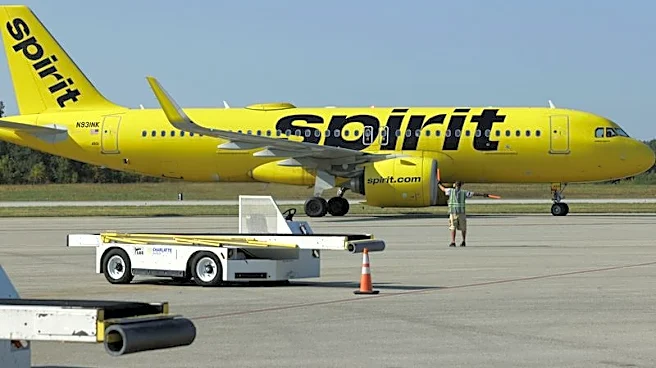
The Trump administration is in advanced discussions to provide a $500 million federal bailout to Spirit Airlines, which has been struggling financially since the COVID-19 pandemic. The airline, known for
its ultra-low-cost fares, has faced significant challenges, including two Chapter 11 bankruptcy filings and failed merger attempts with Frontier and JetBlue. The recent surge in jet fuel prices, exacerbated by geopolitical tensions, has further strained Spirit's finances. Despite surviving the pandemic with the help of an industrywide federal bailout, Spirit has not fully recovered, as passengers increasingly prefer airlines offering more comfort. The bailout proposal has sparked debate, with some members of Congress and industry leaders questioning the long-term viability of such a move.
Why It's Important?
The potential bailout of Spirit Airlines highlights the ongoing challenges faced by the airline industry, particularly low-cost carriers, in adapting to post-pandemic market conditions. The financial struggles of Spirit underscore the difficulties of maintaining profitability with a business model reliant on low fares and high operating costs. The proposed federal assistance raises questions about the appropriate use of taxpayer money and the role of government in supporting struggling private enterprises. If approved, the bailout could set a precedent for future government interventions in the airline industry, impacting competition and market dynamics.
What's Next?
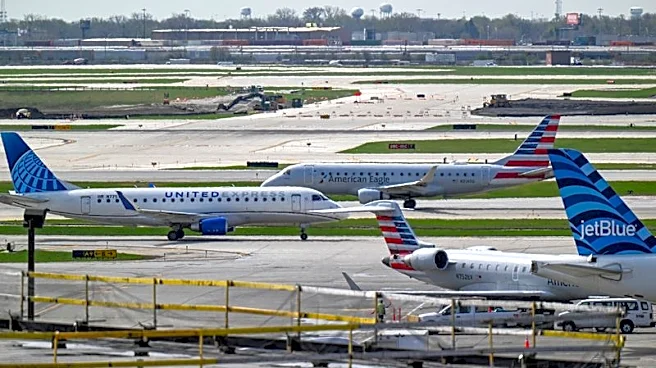
If the bailout is approved, Spirit Airlines plans to use the funds to restructure its debt and sell assets, aiming to stabilize its operations. However, the proposal faces opposition from some lawmakers and industry experts who argue that it may only delay the inevitable collapse of the airline. The outcome of the bailout discussions will likely influence future policy decisions regarding government support for struggling industries. Additionally, Spirit's competitors, such as United, American, and Delta, which have adopted similar low-fare models, will be closely monitoring the situation to assess its impact on market competition.