





What's Happening?
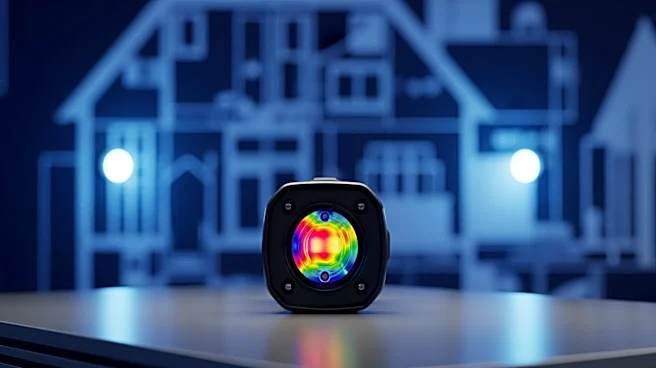
Infrared cameras are becoming a standard tool in residential home inspections, moving beyond their previous status as a luxury add-on. These cameras detect infrared radiation, translating it into a visual map of temperature variations across surfaces,
which helps identify hidden issues such as moisture intrusion, insulation gaps, electrical hot spots, HVAC inefficiencies, and pest activity. This technology provides a more comprehensive understanding of a home's performance, rather than just its appearance. Greg Field, owner of PGT Home Energy Solutions, notes that this shift marks the 'death of the eyeball inspection,' as buyers are now more educated and less tolerant of risk. The use of thermal imaging can reveal problems that are not visible to the naked eye, offering significant savings by identifying issues before they become costly post-sale surprises.
Why It's Important?
The integration of infrared cameras into home inspections is significant for both buyers and the real estate industry. For buyers, it means a more informed purchasing decision, potentially saving thousands of dollars by identifying issues that could lead to expensive repairs. This technology allows for precise identification of problems, enabling targeted repairs that minimize disruption and cost. For the real estate industry, it represents a shift towards more transparent and reliable inspections, which can enhance buyer confidence and reduce disputes over undisclosed issues. As buyers become more informed and demand higher standards, the use of advanced inspection tools like thermal imaging could become a competitive advantage for inspectors and real estate agents.
What's Next?
As the demand for more thorough home inspections grows, it is likely that more inspectors will adopt thermal imaging technology. This could lead to a standardization of inspection practices, where thermal imaging becomes a routine part of the process. Additionally, inspectors may need to obtain certifications in infrared thermography to accurately interpret the data, ensuring that the technology is used effectively. Buyers should inquire about the availability of thermal imaging during inspections and consider it as a valuable tool in their home-buying process. The real estate industry may also see an increase in specialized inspection services that offer thermal imaging as a standalone option.