


What's Happening?
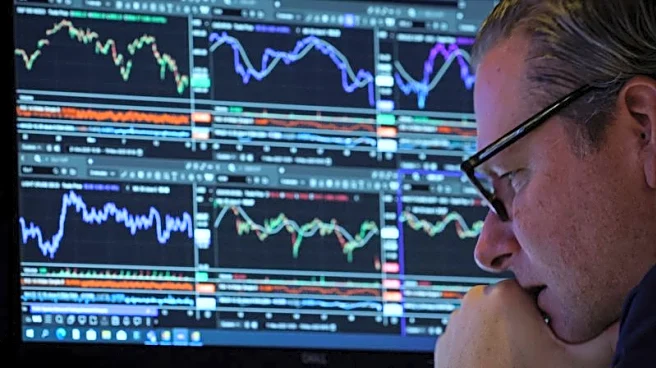
The technology sector experienced a significant downturn, with the S&P 500 closing down 1.16%, marking its fourth consecutive losing session. This decline was primarily driven by technology stocks, notably Oracle, which fell by 5.4%, and its AI data center rival CoreWeave, which lost over 7%. The downturn was influenced by two major factors. First, investor Michael Burry highlighted a chart indicating that stocks now constitute a larger portion of U.S. household wealth than real estate, a situation previously seen only before major market downturns. Burry, who has a $1.1 billion short position against AI stocks like Palantir and Nvidia, suggested that the current market conditions could lead to a prolonged bear market. Second, Oracle's failure
to secure a $10 billion debt-based funding deal with Blue Owl Capital for a new AI data center in Michigan further exacerbated concerns. Despite Oracle's assurance of continuing with the project, investor confidence was shaken, leading to a rise in Oracle's credit default swap spreads.
Why It's Important?
The decline in tech stocks, particularly those involved in AI, underscores growing investor concerns about the sustainability of current AI investment levels. Oracle's inability to secure funding highlights potential vulnerabilities in the AI sector, where high levels of debt are being used to finance ambitious projects. This situation raises questions about the long-term viability of such investments, especially if they are not supported by solid economic fundamentals. The broader market impact is significant, as tech stocks have been a major driver of recent market gains. A shift away from these stocks could lead to a reallocation of investment towards other sectors, potentially altering market dynamics. Additionally, the skepticism expressed by major financial institutions about the AI sector's growth prospects could influence future investment decisions, potentially slowing down the rapid expansion of AI infrastructure.
What's Next?
Investors and market analysts will closely monitor Oracle's next steps regarding its AI data center project and its ability to manage its substantial debt load. The broader tech sector may face increased scrutiny, with investors potentially reassessing their exposure to AI-related stocks. Financial institutions and analysts may continue to issue warnings about the potential for an AI investment bubble, which could lead to more cautious investment strategies. Additionally, any further failures in securing funding for AI projects could exacerbate concerns about the sector's sustainability, potentially leading to a broader market correction if confidence continues to wane.
Beyond the Headlines
The current situation highlights the ethical and economic challenges associated with rapid technological advancement and investment. The potential for an AI bubble raises questions about the responsible allocation of capital and the need for sustainable investment practices. As companies continue to pour resources into AI development, there is a risk that speculative investments could overshadow more prudent, long-term strategies. This scenario underscores the importance of balancing innovation with economic stability, ensuring that technological progress does not come at the expense of financial security.