



What's Happening?
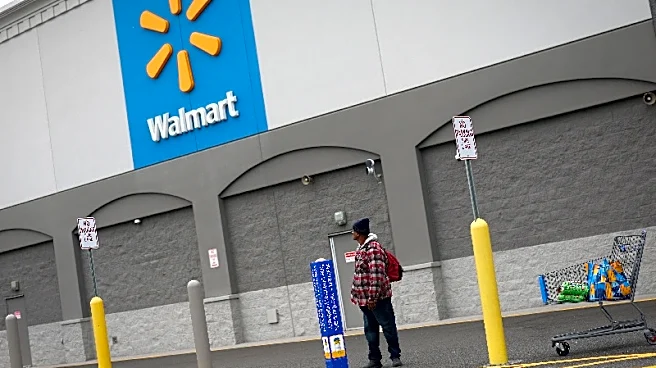
Major U.S. retailers, including Walmart, have issued warnings about potential price increases due to rising fuel costs. During a recent earnings call, Walmart's Chief Financial Officer, John David Rainey, highlighted the impact of higher-than-expected
fuel expenses on the company's operations. Despite a 7.3% increase in revenue for the first quarter, Walmart absorbed approximately $175 million in additional costs due to fuel price hikes. The company anticipates that if the current cost environment persists, retail prices may rise in the second quarter and the latter half of 2026. This situation is exacerbated by the ongoing Iran war, which has led to a 50% surge in U.S. gas prices since February. Other retailers, such as Amazon, have also responded to elevated costs by implementing surcharges for third-party sellers, which could indirectly affect consumer prices.
Why It's Important?
The potential for increased retail prices due to rising fuel costs is significant for both consumers and the broader economy. Lower-income consumers, in particular, may face financial distress as they navigate higher living costs. Retailers like Walmart play a crucial role in the U.S. economy, and their pricing strategies can influence consumer spending patterns. The situation underscores the vulnerability of supply chains to geopolitical events, such as the Iran war, which can disrupt fuel supplies and drive up costs. As retailers adjust their pricing strategies, there could be a ripple effect across various sectors, impacting everything from consumer goods to logistics and transportation.
What's Next?
Retailers are likely to continue monitoring fuel prices and adjusting their strategies accordingly. Walmart has indicated its ability to navigate the current environment, suggesting potential measures to mitigate cost impacts. Meanwhile, other retailers, like Kroger, are exploring price cuts on select products to remain competitive. The broader economic implications will depend on the duration of elevated fuel costs and the effectiveness of retailers' responses. Consumers may need to brace for potential price increases, while policymakers could face pressure to address the underlying causes of fuel price volatility.