





What's Happening?
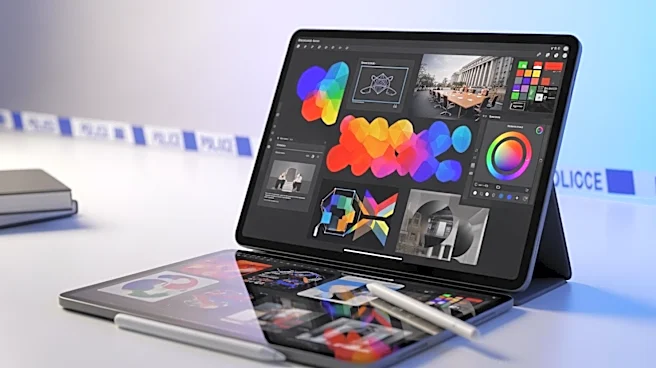
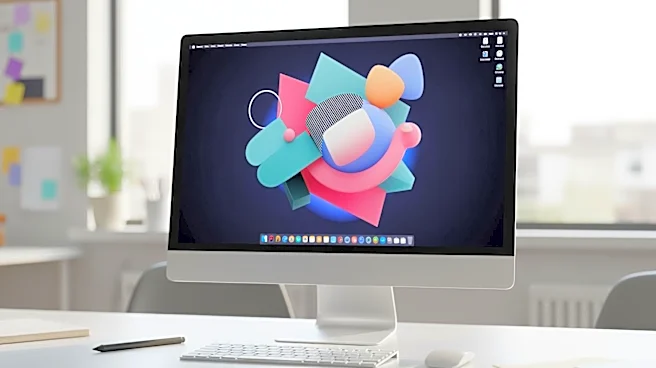
Anthropic, an AI company, has introduced Claude Design, its first proprietary AI design tool. Unlike traditional AI image generators, Claude Design focuses on creating slide decks, social media assets, and app and web interfaces. The tool offers fine-grained
controls for spacing, coloring, and layout, and allows users to leave comments for collaborative editing. Claude Design is powered by Opus 4.7, a new AI model with enhanced visual intelligence. The tool is currently in a research preview phase and is available to Pro, Max, Team, and Enterprise subscribers. Adobe has also announced that it will integrate its creative AI agent with Claude, although it remains separate from Claude Design.
Why It's Important?
The introduction of Claude Design marks Anthropic's entry into the AI design space, focusing on workplace applications rather than consumer-oriented image generation. This move could significantly impact how businesses and coders approach visual content creation, offering a streamlined tool for maintaining brand consistency across various digital platforms. The tool's integration with existing codebases and design files could enhance productivity and ensure brand compliance. However, the broader implications of AI in creative fields remain controversial, as artists and creators express concerns about the technology's impact on traditional creative processes.
What's Next?
As Claude Design is in its research preview phase, further developments and enhancements are expected as user feedback is gathered. The integration of Adobe's creative AI agent could lead to more advanced features and capabilities. Businesses and coders may increasingly adopt AI tools like Claude Design to optimize their workflows, potentially leading to shifts in how visual content is produced and managed in professional settings. The ongoing debate about AI's role in creative industries is likely to continue, with stakeholders closely monitoring the tool's impact.