



What's Happening?
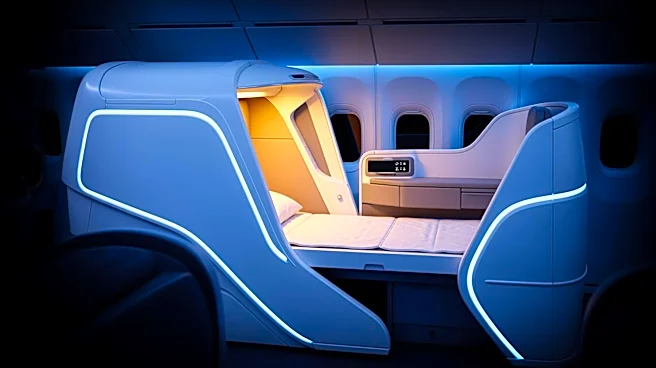
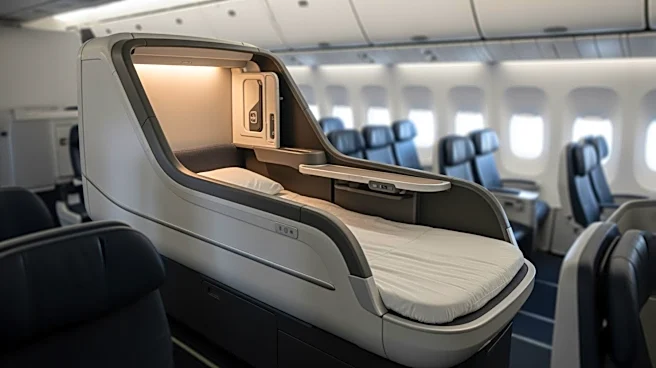
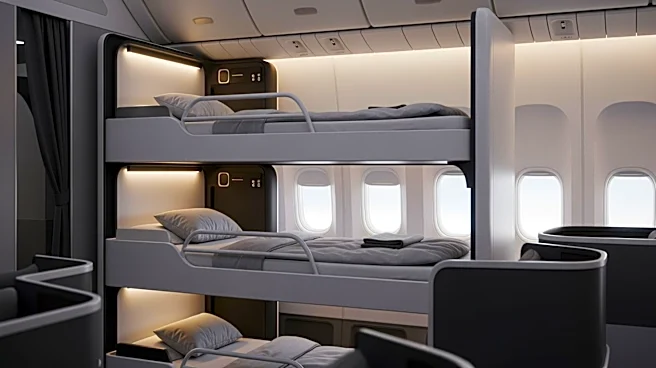
Air New Zealand is set to revolutionize economy-class travel by introducing triple-decker bunk beds, known as Skynest sleep pods, on its long-haul flights. These pods will be available for economy and premium economy passengers on the airline's new Boeing
787-9 Dreamliner aircraft, starting from November. The service will be offered on the Auckland to New York route, one of the longest commercial flights, which typically lasts 16 to 18 hours. Passengers can book a four-hour session in these curtained pods for an additional cost of 495 New Zealand dollars ($291) on top of their economy ticket price. The pods are designed to provide a lie-flat sleeping experience, a first for budget air travelers. However, due to the close quarters, the airline has set specific etiquette rules, including no snacking, no strong perfumes, and solo use only. The pods are equipped with refreshed pillows, blankets, and sheets between uses, and passengers are required to wear special socks and fasten seatbelts over their blankets.
Why It's Important?
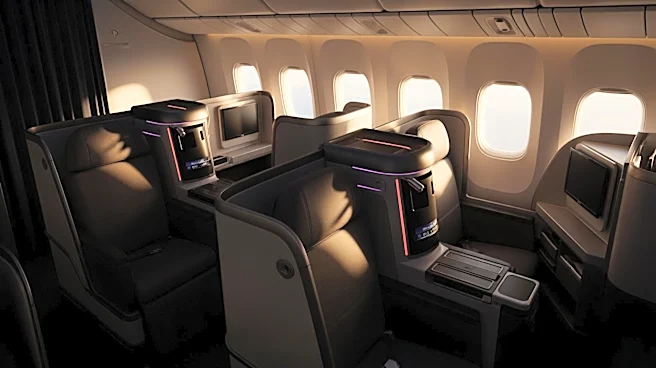
This development is significant as it addresses a common discomfort associated with long-haul economy-class travel: the inability to sleep comfortably. By offering lie-flat beds, Air New Zealand is enhancing the travel experience for budget-conscious passengers, potentially setting a new standard in the airline industry. This move could influence other airlines to adopt similar innovations, thereby increasing competition and improving service offerings across the board. Additionally, the introduction of Skynest pods could attract more passengers to Air New Zealand, boosting its market share and revenue. However, the added cost may limit accessibility for some travelers, and the close proximity of the pods could raise concerns about privacy and comfort.
What's Next?
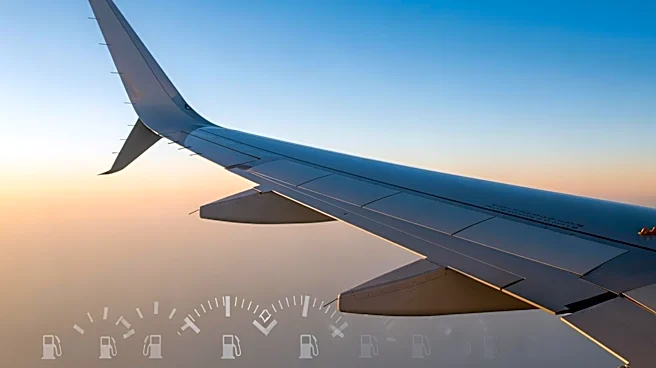
As Air New Zealand rolls out this new service, it will be crucial to monitor passenger feedback and the overall success of the Skynest pods. The airline may need to adjust its pricing strategy or pod design based on customer experiences and demand. Other airlines will likely observe this development closely, considering similar innovations to remain competitive. Additionally, the airline's response to fluctuating fuel prices and potential route changes will be important factors in its future operations and service offerings.