
What's Happening?
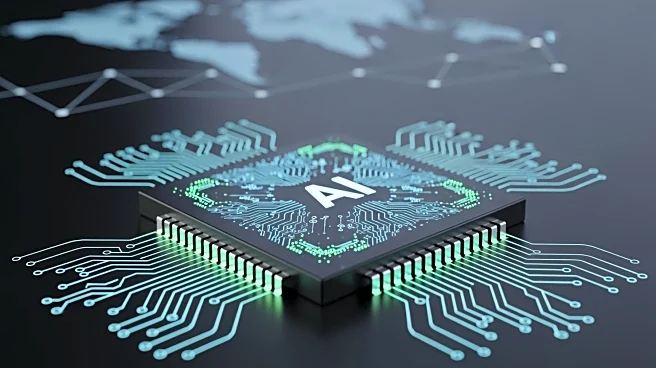
President Donald Trump has authorized the sale of Nvidia's advanced computer chips, specifically the H200 model, to 'approved customers' in China. This decision comes amidst ongoing debates about the implications
of selling such technology to China, which could potentially enhance its AI capabilities. The H200 chip, while advanced, is not Nvidia's most cutting-edge product, as the Blackwell and upcoming Rubin chips remain restricted. President Trump communicated this decision to China's leader, Xi Jinping, who reportedly responded positively. Nvidia has expressed support for the decision, highlighting its potential to bolster American jobs and manufacturing. However, a group of Democratic senators has raised objections, citing national security risks. They argue that access to these chips could enhance China's military capabilities and cyberattack potential. The Commerce Department is currently working on finalizing details for other chipmakers like AMD and Intel to sell their technologies abroad.
Why It's Important?
The decision to allow Nvidia to sell AI chips to China is significant due to its potential impact on U.S. national security and economic interests. While the move could support American manufacturing and jobs, it also raises concerns about enhancing China's technological capabilities, particularly in military and cyber domains. The approval reflects the complex balance between fostering economic growth and safeguarding national security. The involvement of high-profile senators in opposing the decision underscores the contentious nature of technology exports to China. This development could influence future U.S. policies on technology trade and national security, as well as the competitive dynamics between American and Chinese tech companies.
What's Next?
The Commerce Department is expected to finalize the details for other chipmakers, such as AMD and Intel, to sell their technologies internationally. This could lead to further scrutiny and debate over the export of advanced technologies to China. The decision may prompt reactions from various stakeholders, including political leaders, tech companies, and national security experts. The ongoing dialogue between the U.S. and China regarding technology trade and security will likely continue to evolve, potentially affecting future trade agreements and regulatory measures.