



What's Happening?
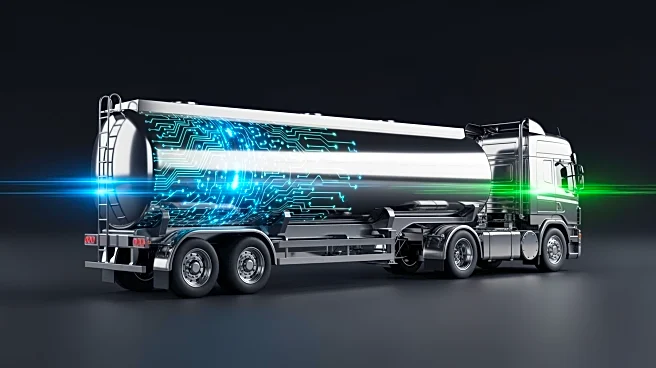
Fuel Transport has introduced an $8 million AI initiative called Transport Optimization, aimed at modernizing logistics operations across North America. The company, which operates in Canada, the U.S., and Mexico, is collaborating with partners such as Scale AI, Vooban, CRIM, Geloso Group, and Les Camions Fuel. The program is designed to improve pricing, quoting, and carrier selection through advanced predictive intelligence. Key features include a dynamic pricing and quote management assistant, a carrier recommendation system, and a standardized SOP management system. These tools are intended to enhance decision-making, operational resilience, and transparency within Fuel Transport's network. CEO Robert Piccioni emphasized the integration of
intelligent technology with human instinct to redefine leadership in the logistics sector.
Why It's Important?
The introduction of AI-powered systems in logistics by Fuel Transport represents a significant shift towards more efficient and responsive supply chain management. This development is crucial as it addresses the growing demand for faster and more reliable logistics solutions in North America. By leveraging AI, Fuel Transport aims to enhance operational efficiency, which could lead to cost savings and improved service delivery. This move is likely to set a precedent in the logistics industry, encouraging other companies to adopt similar technologies to remain competitive. The program's focus on compliance, performance, and reliability also highlights the increasing importance of transparency and accountability in logistics operations.
What's Next?
As Fuel Transport rolls out its Transport Optimization program, the logistics industry will be watching closely to assess its impact on operational efficiency and customer satisfaction. The success of this initiative could prompt other logistics companies to invest in similar AI technologies, potentially leading to widespread changes in how logistics operations are managed. Stakeholders, including customers and partners, may also provide feedback that could influence further enhancements to the program. Additionally, regulatory bodies might take an interest in how AI is being used to ensure compliance and transparency in logistics.