






What's Happening?
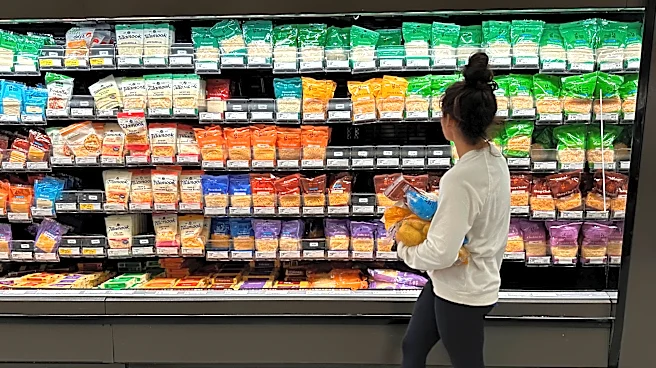
In April 2026, consumer prices in the United States rose at an annual rate of 3.8%, marking the highest increase since May 2023. This rise was primarily driven by a significant surge in energy prices, which accounted for more than 40% of the overall increase.
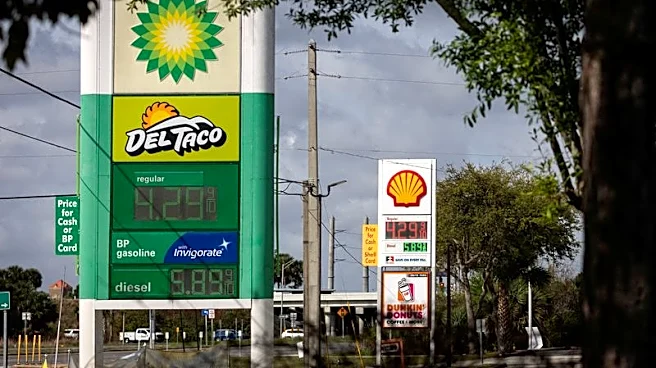
The consumer price index (CPI) increased by 0.6% for the month, with core inflation, excluding food and energy, rising by 2.8%. Energy prices saw a 17.9% increase over the past year, with gasoline prices jumping 28.4%. Other areas, such as shelter and airline fares, also experienced notable price increases, indicating that inflation pressures extend beyond energy costs.
Why It's Important?
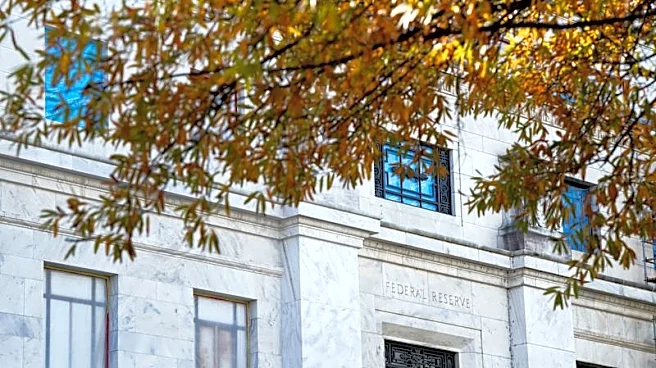
The increase in consumer prices highlights ongoing inflationary pressures in the U.S. economy, exacerbated by rising energy costs. This trend poses challenges for both consumers and policymakers, as it affects purchasing power and economic stability. The Federal Reserve's goal of maintaining inflation at 2% is being tested, and the current inflation rate suggests that interest rate cuts are unlikely in the near future. The broader impact of inflation is felt across various sectors, including transportation and housing, which could lead to changes in consumer behavior and spending patterns.
What's Next?
With inflationary pressures expected to persist, the Federal Reserve is likely to maintain its current interest rate policy, delaying any potential rate cuts. The ongoing conflict in Iran and its impact on global oil supplies will continue to influence energy prices, contributing to inflationary trends. Policymakers and businesses may need to explore strategies to manage costs and mitigate the impact on consumers, while monitoring economic indicators for signs of stabilization.