






What's Happening?
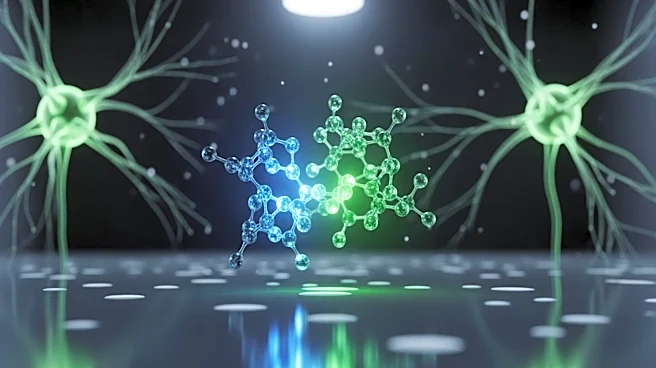
Recent advancements in oligonucleotide therapies are showing promise for treating central nervous system (CNS) disorders. These therapies, which include treatments for neurodegenerative diseases and rare genetic disorders, benefit from direct CNS delivery
methods that improve efficacy and reduce side effects. Intrathecal lumbar administration is a key strategy, allowing drugs to bypass the blood-brain barrier and act directly on the CNS. This method, while technically challenging, offers precise control over drug exposure and is being refined through dual catheter-port techniques to improve reliability and accuracy.
Why It's Important?
The development of effective CNS-targeted therapies could revolutionize treatment for conditions that currently have limited options. By improving delivery methods, these therapies can achieve better outcomes with fewer side effects, potentially transforming patient care. The advancements also highlight the importance of pharmacokinetics in drug development, ensuring that therapies are both effective and safe. As these methods are refined, they could pave the way for new treatments for a range of CNS disorders, offering hope to patients and healthcare providers.
What's Next?
Continued research and development are needed to further refine delivery techniques and ensure the safety and efficacy of these therapies. As the field progresses, regulatory approval processes will play a critical role in bringing these treatments to market. Collaboration between researchers, healthcare providers, and regulatory bodies will be essential to address the challenges of CNS drug delivery and to support the transition from non-clinical to clinical stages.