
What's Happening?
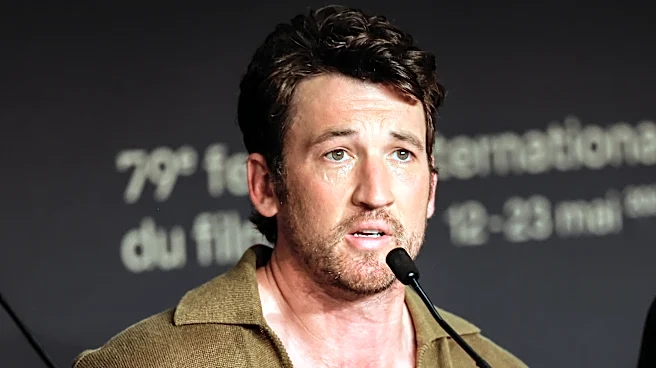
Miles Teller, known for his role in 'Top Gun: Maverick,' has spoken out about a decade-long self-imposed media ban following a 2015 Esquire profile that he claims misrepresented him. Teller, now 39, expressed
his frustration with the profile, which labeled him negatively, and stated that it was mishandled. He explained that the experience led him to avoid editorial profiles, fearing misquotes and misrepresentations. Teller emphasized that the portrayal in the article did not align with his true character, and he has since focused on letting his work speak for itself. Despite the negative press, Teller believes that those he works with in the film industry recognize his work ethic and professionalism.
Why It's Important?
This situation highlights the impact of media portrayals on public figures and their careers. Teller's experience underscores the potential consequences of negative press, which can affect an actor's reputation and opportunities. In an industry where public perception is crucial, such misrepresentations can lead to long-term career implications. Teller's decision to avoid media profiles reflects a broader concern among celebrities about the accuracy and fairness of media coverage. This case also illustrates the tension between media outlets seeking engaging stories and the subjects of those stories who may feel misrepresented. The broader significance lies in the ongoing debate about media ethics and the responsibility of journalists to accurately portray their subjects.
What's Next?
Teller's recent comments may prompt further discussions about media ethics and the responsibilities of journalists in accurately representing their subjects. It could also lead to more public figures being cautious about engaging with media outlets. As Teller continues his career, it will be interesting to see if he reconsiders his stance on media interactions or if he maintains his current approach. The entertainment industry may also see a shift in how celebrities manage their public personas and media engagements, potentially leading to more controlled and curated interactions.
Beyond the Headlines
The deeper implications of Teller's experience touch on the cultural fascination with celebrity personas and the demand for sensational stories. This case raises questions about the balance between public interest and personal privacy, as well as the ethical considerations journalists must navigate when crafting profiles. It also highlights the power dynamics between media outlets and public figures, where the latter may feel vulnerable to misrepresentation. In the long term, this could influence how celebrities engage with the media and how media outlets approach celebrity coverage.