


What's Happening?
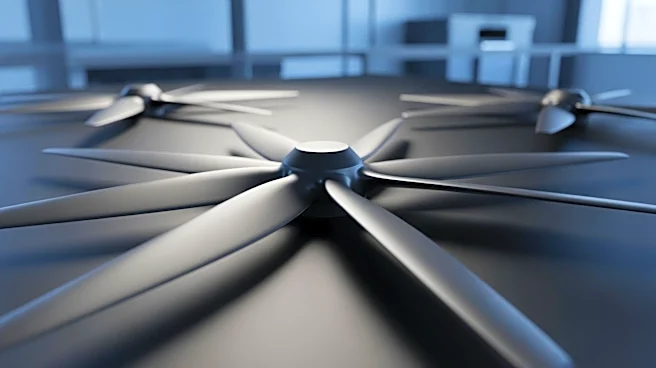
T-MOTOR has introduced the HEP-L Series Multi-Rotor Propellers, designed to improve the efficiency and operational stability of professional Unmanned Aerial Vehicle (UAV) platforms. These ultra-light propulsion components are engineered to maximize flight
efficiency, impact resistance, and operational stability. The HEP-L series was developed using an aerodynamic optimization platform, which allows these propellers to increase total flight time by 3% under identical operating conditions compared to previous designs. The propellers are co-engineered with T-MOTOR high-efficiency motors, optimizing blade chord and twist to align with the motor's peak efficiency range. This design facilitates faster system integration and more reliable delivery for drone manufacturers. The HEP-L series also features enhanced damping characteristics, improving vibration energy dissipation and reducing mechanical stress on the airframe, thus enhancing cruise stability and performance in higher wind conditions.
Why It's Important?
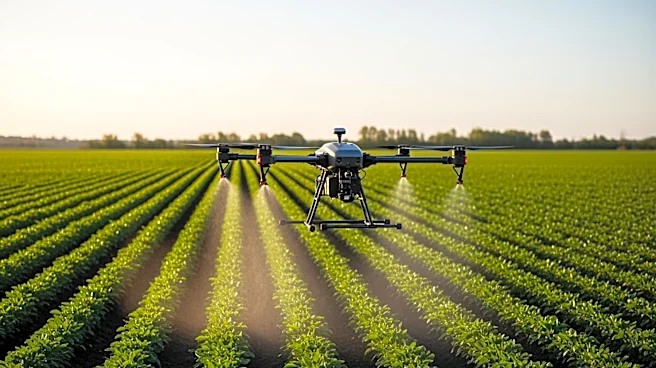
The release of the HEP-L Series propellers is significant for the UAV industry as it addresses the growing demand for drones with longer mission durations and higher payload capabilities. By improving flight efficiency and operational stability, these propellers can enhance the performance of industrial drones, making them more effective for various applications such as precision agriculture, surveillance, and logistics. The increased impact resistance and durability of the HEP-L series also ensure that drones can operate in more demanding environments, reducing maintenance costs and downtime. This advancement in UAV technology could lead to broader adoption of drones in commercial and industrial sectors, potentially transforming how businesses operate and deliver services.
What's Next?
As the UAV industry continues to evolve, the integration of advanced propulsion systems like the HEP-L Series propellers will likely become more prevalent. Drone manufacturers may increasingly adopt these components to enhance their product offerings, leading to more competitive and efficient UAV solutions. Additionally, the focus on improving drone performance and reliability could drive further innovation in related technologies, such as battery life and autonomous navigation systems. Stakeholders in the UAV industry, including manufacturers, service providers, and end-users, will need to adapt to these technological advancements to remain competitive and capitalize on new opportunities.
Beyond the Headlines
The development of the HEP-L Series propellers highlights the ongoing trend of technological innovation in the UAV sector. As drones become more capable and reliable, ethical and regulatory considerations will become increasingly important. Issues such as privacy, airspace management, and safety standards will need to be addressed to ensure the responsible use of UAVs. Furthermore, the environmental impact of drone operations, including noise pollution and energy consumption, will require attention as the industry grows. These factors will play a crucial role in shaping the future landscape of UAV technology and its integration into society.