




What's Happening?
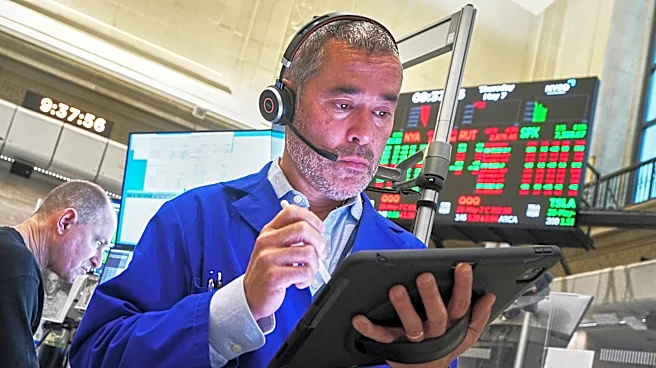
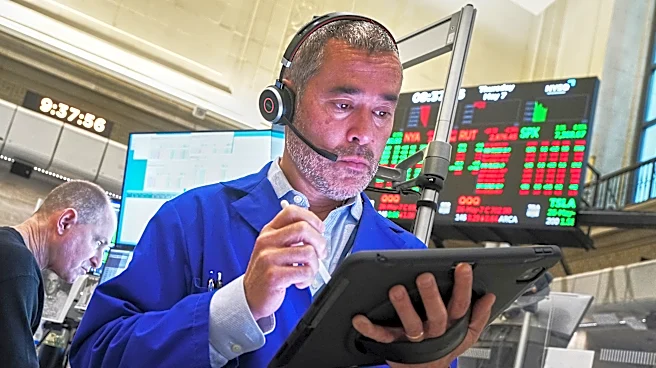
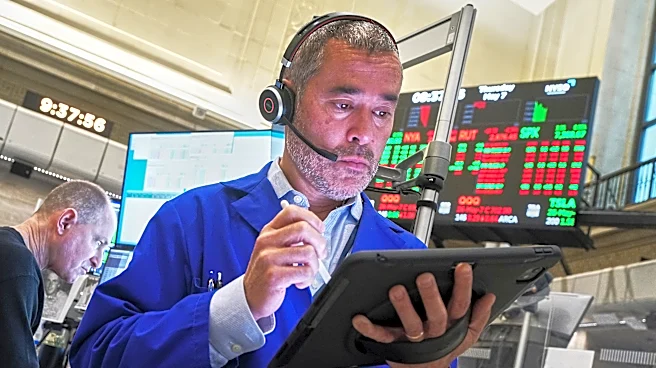
Stock futures in the U.S. edged lower on Sunday night following a week of gains on Wall Street. This decline was influenced by a rise in oil prices after President Donald Trump rejected Iran's latest proposal to end the ongoing war. Futures tied to the Dow
Jones Industrial Average fell by 143 points, or 0.3%, while S&P 500 and Nasdaq 100 futures each lost 0.3%. The previous week saw the S&P 500 and Nasdaq Composite rally by more than 2% and 4%, respectively, marking their sixth consecutive week of gains. The Dow also rose by 0.2% for the week. The rejection of Iran's proposal, which called for an end to the conflict and the lifting of sanctions, was deemed 'TOTALLY UNACCEPTABLE' by President Trump. This development has led to increased uncertainty in the markets, with investors closely monitoring the situation.
Why It's Important?
The rejection of Iran's proposal by President Trump has significant implications for the U.S. economy and global markets. The increase in oil prices following the rejection could lead to higher inflation, affecting consumer prices and economic stability. The ongoing conflict and its impact on oil prices may also influence investor sentiment and market volatility. Additionally, the situation highlights the geopolitical tensions that can affect global trade and economic relations. Investors are also focusing on upcoming economic indicators, such as the April consumer and producer price indexes, to assess the impact of the conflict on inflation. The outcome of these developments could have far-reaching effects on U.S. industries, particularly those reliant on stable oil prices.
What's Next?
Investors will be closely watching the April consumer and producer price indexes for insights into how the conflict is affecting inflation. Earnings reports from major companies like Under Armour and Cisco will also be monitored for indications of economic resilience. The ongoing negotiations between the U.S. and Iran will continue to be a focal point, with potential implications for future market movements. Stakeholders, including political leaders and businesses, will need to navigate the uncertainties posed by the geopolitical situation and its impact on the economy.