





What's Happening?
Researchers from the University of Bath's Department of Mechanical Engineering are investigating the use of agricultural waste from prickly pear cactus plants as a sustainable reinforcement for construction materials. This initiative aims to replace synthetic
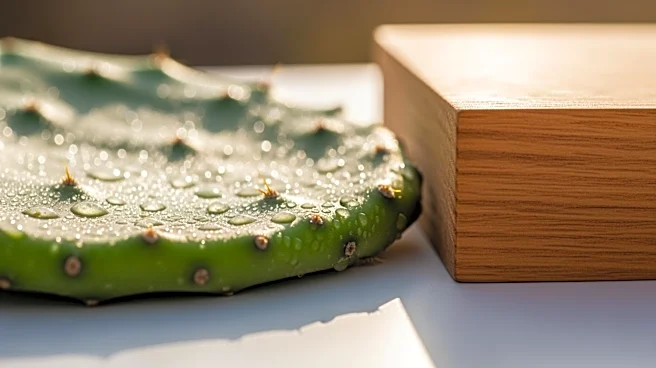
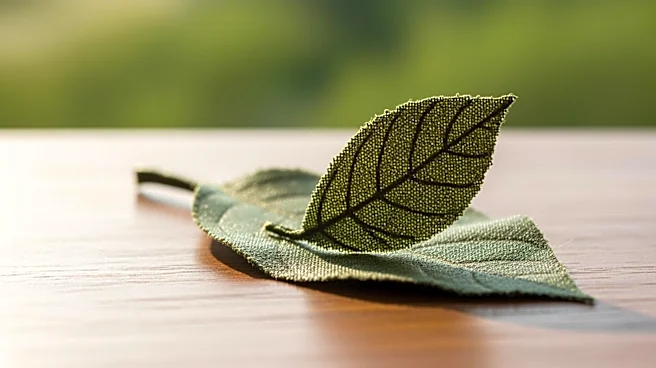
fibers in composites with natural alternatives, offering a renewable and biodegradable solution. The study, led by Matt Hutchins, focuses on extracting naturally occurring fiber networks from cactus pads, which form a honeycomb-like structure. These fibers are being tested for their potential to reinforce bio-based composites, providing a low-cost, low-carbon alternative to conventional materials. The research is part of an international collaboration involving the Centre for Regenerative Design & Engineering and the University of Catania in Sicily.
Why It's Important?
The exploration of prickly pear cactus fibers as a building material is significant due to its potential to reduce the environmental impact of construction. Traditional composites like carbon fiber and fiberglass are energy-intensive to produce and difficult to recycle. By using agricultural waste, this research addresses environmental concerns such as land use, water demand, and the need for pesticides associated with the cultivation of other plant-based fibers like flax and hemp. The cactus fibers offer a sustainable alternative that could lower the carbon footprint of building materials, promoting the adoption of natural materials in civil applications. This development could benefit industries seeking eco-friendly solutions and contribute to the broader goal of reducing embodied carbon in construction.
What's Next?
The research team plans to further explore how cactus fibers bond with bio-based resins to create fully sustainable composites. They are also investigating the mechanical properties of these materials, such as tensile and flexural strength, to determine their suitability for various applications. Potential uses include non-load-bearing wall panels, lightweight cladding, automotive interior components, and sports equipment. The ongoing research aims to support the transition to lower-carbon construction and offers opportunities for collaboration in sustainable materials and engineering. Future studies will focus on scalable manufacturing routes and fully bio-based systems to enhance the adoption of these innovative materials.
Beyond the Headlines
The use of prickly pear cactus fibers in construction materials not only addresses environmental concerns but also offers aesthetic benefits. The natural honeycomb structure of the cactus remains visible in the final product, providing a visually appealing element that has captured public attention. This intersection of engineering and sustainable art highlights the potential for these materials to be used in creative applications beyond traditional construction. The research underscores the importance of integrating sustainability into design and engineering, paving the way for innovative solutions that balance functionality with environmental responsibility.