





What's Happening?
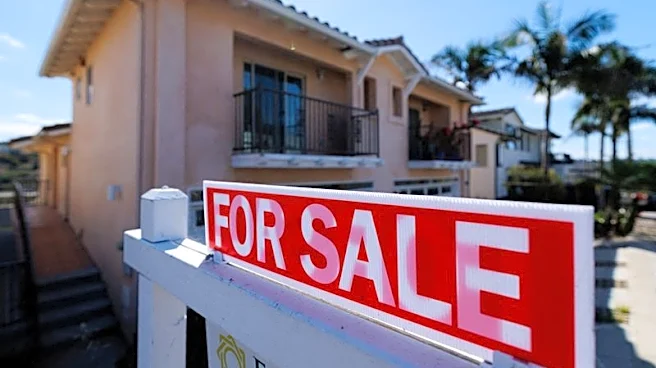
Mortgage rates in the U.S. have surged to their highest level in nine months, driven by rising energy costs due to the ongoing conflict in the Middle East. The average 30-year fixed home loan rate has reached 6.51%, a significant increase from previous
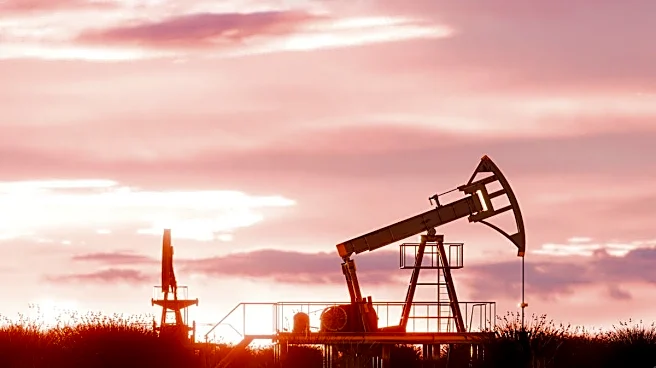
months. This rise is attributed to the war in Iran, which has disrupted global oil supplies and increased inflation fears. As a result, Treasury yields have risen, leading to higher mortgage rates. The situation remains volatile, with recent U.S. military actions complicating diplomatic efforts for peace. Despite a ceasefire, energy prices are expected to remain high, affecting the housing market as it enters a busy buying season.
Why It's Important?
The increase in mortgage rates poses a challenge for both buyers and sellers in the U.S. housing market. Higher rates mean increased financing costs, which can deter potential homebuyers and reduce demand. This situation is compounded by inflation, which is eroding wage gains and affecting affordability. For sellers, the diminished demand could lead to softer property prices. The ongoing conflict and its impact on energy prices and inflation create uncertainty, potentially affecting consumer confidence and market stability. The Federal Reserve's response to rising inflation expectations could further influence mortgage rates and the housing market's trajectory.
What's Next?
If the conflict in the Middle East continues, the double impact of rising mortgage rates and inflation is likely to intensify. The Federal Reserve, under new leadership, may consider raising the benchmark rate if inflation expectations persist, which could keep mortgage rates elevated. The housing market's resilience will be tested, and a swift resolution to the conflict could stabilize oil prices and restore consumer confidence. However, the path to normalcy will be challenging, and the market's performance in the second half of 2026 will depend on geopolitical developments and economic policies.