







What's Happening?
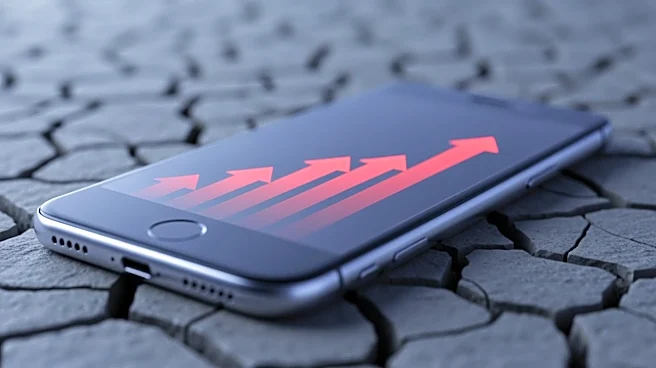
According to Omdia's research, China's smartphone market experienced a 1% decline in shipments during the first quarter of 2026, with a total of 69.8 million units shipped. Rising component costs, particularly for memory, led major vendors to increase
product prices, impacting consumer purchasing sentiment. Huawei led the market with a 20% share, followed by Apple with 19%. Other top vendors included OPPO, vivo, and Xiaomi. While some vendors raised prices, Huawei and Apple maintained stable pricing, which helped them capture more market share. Innovations in flagship and foldable devices are expected to stabilize demand, with AI agent capabilities becoming a major focus for vendors.
Why It's Important?
The decline in China's smartphone market reflects broader economic challenges, including rising production costs and shifting consumer preferences. The strategic decisions by Huawei and Apple to avoid price hikes highlight the competitive dynamics in the industry, where maintaining affordability can lead to increased market share. The focus on AI and innovative device features indicates a shift towards enhancing user experience and differentiating products in a saturated market. These trends could influence global smartphone markets, as manufacturers seek to balance cost pressures with the need for technological advancements.
What's Next?
As memory costs continue to rise, the Chinese smartphone market is projected to shrink by 10% in 2026. Vendors will need to adapt by focusing on innovation and cost management to remain competitive. The development of AI capabilities and improvements in device specifications will be crucial for attracting consumers. The market dynamics will require constant vigilance from top vendors, who must leverage their advantages in supply chains and R&D to navigate the evolving landscape. The outcome of these strategies will likely shape the future of the global smartphone industry.