



What's Happening?
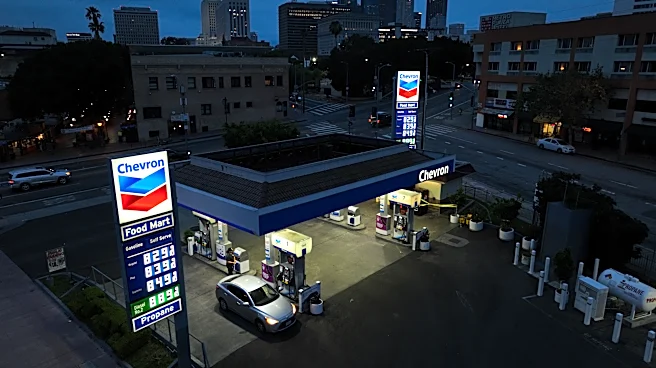
U.S. gas prices have surged, reaching an average of over $4 per gallon, driven by global oil market volatility. The ongoing conflict in Iran and disruptions in the Strait of Hormuz have led to increased crude oil prices, which in turn have raised gasoline
costs. Retailers are adjusting pump prices to reflect these changes, although they retain only a small margin after covering expenses. Taxes and refining costs also contribute significantly to the final price at the pump. The situation is challenging for both consumers and small gas station operators, who face tighter margins and increased operational costs.
Why It's Important?
The rise in gas prices has a direct impact on the cost of living for U.S. consumers, affecting everything from commuting expenses to the price of goods transported by road. For small gas station operators, the increased costs and tighter margins can threaten business viability. The situation highlights the vulnerability of the U.S. economy to global oil market fluctuations and underscores the need for energy diversification and stability. Policymakers and industry stakeholders may need to consider strategies to mitigate the impact of such volatility on consumers and businesses.