





What's Happening?
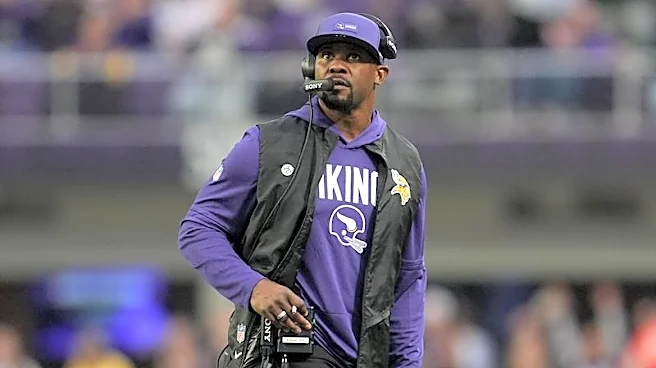
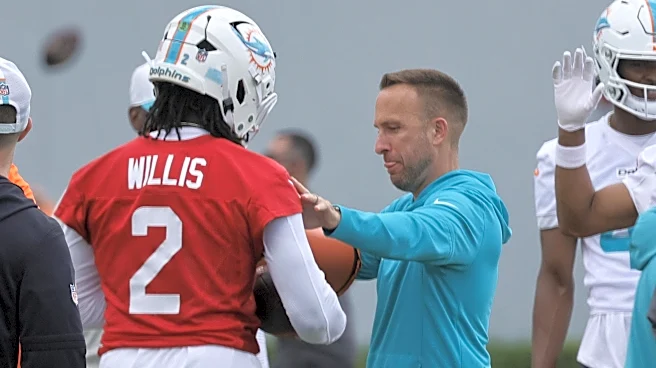
The Miami Dolphins have released their 2026 NFL schedule, which includes 17 regular-season games and three preseason contests. Under the leadership of new head coach Jeff Hafley, the team has made a specific request to the NFL regarding their schedule.
The Dolphins have expressed a desire to play their two West Coast games in consecutive weeks. This request aims to minimize travel disruptions and allow the team to stay on the West Coast between games, provided they can find suitable facilities for training and meetings. Coach Hafley emphasized the potential benefits of this arrangement, including team bonding and reduced travel fatigue. However, he also noted that if appropriate facilities cannot be secured, the team would return to Miami between games.
Why It's Important?
The Dolphins' request highlights the logistical challenges NFL teams face with cross-country travel, which can impact player performance and team cohesion. By potentially reducing travel time and allowing for extended stays on the West Coast, the Dolphins aim to enhance team dynamics and maintain player readiness. This approach could set a precedent for other teams seeking to optimize their schedules for competitive advantage. The decision also underscores the importance of strategic planning in professional sports, where travel logistics can significantly affect a team's season performance. If successful, this strategy could influence future scheduling decisions by the NFL, benefiting teams with similar geographic challenges.
What's Next?
The Dolphins will need to coordinate with the NFL and potential West Coast facilities to finalize their plans. If they secure a suitable location, the team will focus on maximizing the benefits of their extended stay. This could involve additional team-building activities and focused training sessions. The NFL's response to this request may also impact how other teams approach their scheduling strategies. As the season progresses, the effectiveness of this approach will be evaluated based on the team's performance and player feedback. The outcome could influence future scheduling practices across the league.