
What's Happening?
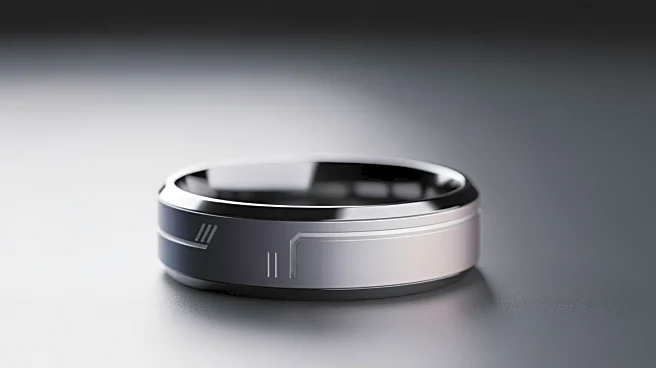
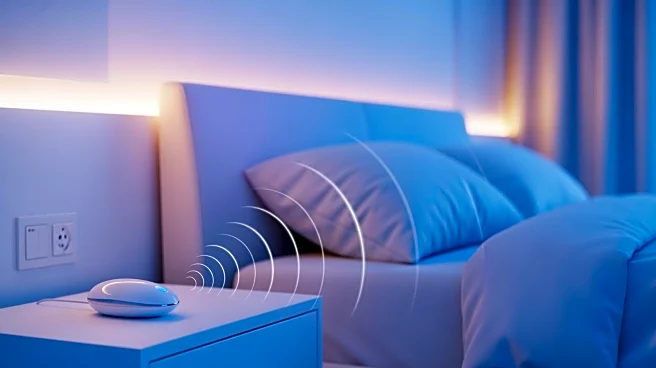
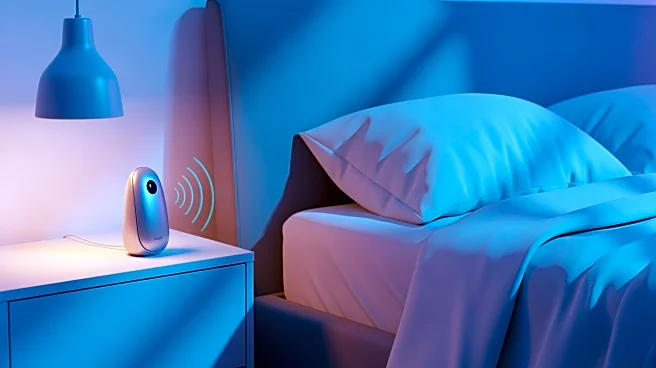
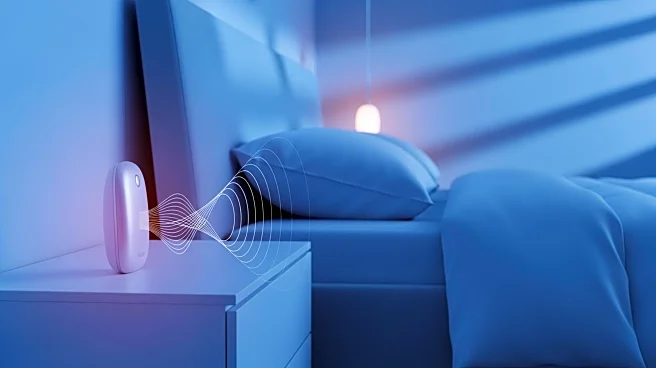
SOMNDEEP has introduced a new contactless sleep monitoring solution aimed at addressing the common issue of long-term abandonment of wearable devices. This innovative approach eliminates the need for users to wear a device, set it up nightly, or manage
frequent charging, thereby offering a passive method for sleep tracking. The system operates in the background, aligning with the user's environment without causing interruptions. This development comes in response to the challenges faced by traditional wearable devices, which often see a decline in user engagement over time due to factors like charging fatigue, discomfort, and the feeling of being monitored. By removing these barriers, SOMNDEEP aims to provide a more sustainable and user-friendly solution for continuous sleep monitoring.
Why It's Important?
The introduction of contactless sleep monitoring by SOMNDEEP is significant as it addresses a critical challenge in the digital health industry: the long-term engagement of users with wearable devices. Traditional wearables, despite their advanced features, often face user disengagement due to the inconvenience and discomfort associated with their use. This new approach by SOMNDEEP could revolutionize the way sleep data is collected, making it more accessible and less intrusive. This shift is particularly beneficial for light sleepers, older adults, and individuals managing long-term health conditions who may find traditional wearables cumbersome. By enhancing user comfort and reducing the need for active participation, SOMNDEEP's solution could lead to more consistent data collection and better health insights.
What's Next?
As SOMNDEEP's contactless sleep monitoring solution gains traction, it could prompt other companies in the digital health sector to explore similar innovations. The success of this technology may lead to broader adoption of passive health monitoring systems that integrate seamlessly into users' environments. This could also influence the design and development of future health tech products, prioritizing user comfort and ease of use. Additionally, healthcare providers and researchers might leverage the consistent data provided by such systems to improve patient care and health outcomes. The industry could see a shift towards more invisible and user-friendly health technologies that require minimal user interaction.
Beyond the Headlines
The move towards contactless sleep monitoring reflects a broader trend in health technology towards creating invisible, environment-integrated systems. This approach not only enhances user comfort but also aligns with natural human behaviors, reducing the cognitive and physical burden associated with health monitoring. Such innovations could lead to a paradigm shift in how health data is collected and utilized, potentially improving adherence to health monitoring and leading to better long-term health outcomes. This trend also highlights the growing importance of behavioral design in technology development, emphasizing the need for systems that adapt to users rather than requiring users to adapt to them.