





What's Happening?
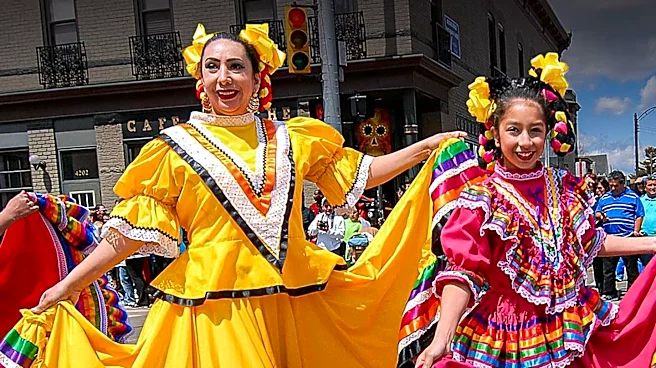
The Denver Art Museum recently hosted its 24th Annual Día Del Niño, a celebration dedicated to children. The event featured a variety of performances and activities designed to engage and entertain young attendees. This annual celebration is part of a broader
tradition that honors children and their cultural contributions. The museum's event included interactive activities that allowed children to explore art and culture in a hands-on manner. The celebration is a significant event for the museum, drawing families from across the region to participate in the festivities.
Why It's Important?
Día Del Niño, or Children's Day, is an important cultural event that highlights the value of children in society. By hosting this event, the Denver Art Museum not only provides a platform for cultural expression but also fosters community engagement and education. Such events are crucial for cultural institutions as they help build connections with diverse communities and promote inclusivity. For families, it offers an opportunity to engage with art and culture in a family-friendly environment, enhancing cultural awareness and appreciation among young audiences.
What's Next?
The Denver Art Museum is likely to continue its tradition of hosting Día Del Niño annually, potentially expanding its offerings to include more diverse cultural performances and activities. Future events may see increased participation as the museum continues to build its reputation as a family-friendly cultural hub. The success of such events could encourage other cultural institutions to host similar celebrations, further promoting cultural diversity and education within the community.
Beyond the Headlines
The celebration of Día Del Niño at the Denver Art Museum underscores the importance of cultural events in fostering community ties and promoting cultural education. It highlights the role of museums as not just repositories of art but as active participants in community life. Such events can have long-term impacts by nurturing a generation of culturally aware and engaged citizens. They also reflect broader societal values that prioritize inclusivity and diversity, which are essential in today's multicultural society.