




What's Happening?
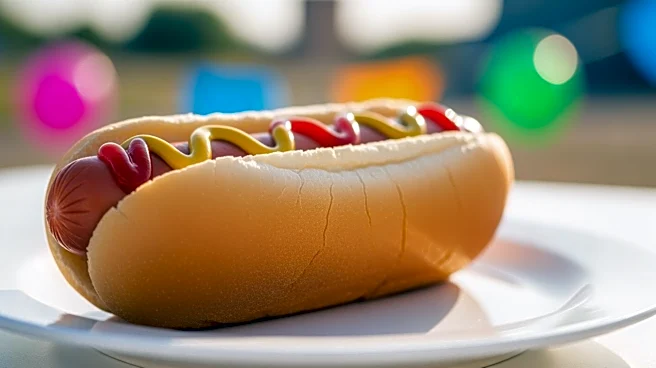
Joey Chestnut, a renowned competitive eater and 17-time champion of the Nathan's Famous International Hot Dog Eating Contest, is set to defend his title on July 4th despite being on probation. Chestnut pleaded guilty to a misdemeanor battery charge after
an incident at an Indiana bar where he allegedly slapped a man. His attorney, Mario Massillamany, stated that Chestnut accepted responsibility for his actions, which he described as a misunderstanding. A judge has permitted Chestnut to travel out of state to participate in the contest. Richard Shea, president of Major League Eating, confirmed that the incident did not breach the organization's code of conduct, as it occurred outside of any official event. Last year, Chestnut reclaimed his title by consuming 70½ hot dogs in 10 minutes, after missing the 2024 contest due to a sponsorship conflict.
Why It's Important?
This event highlights the intersection of personal conduct and professional obligations in the world of competitive sports. Chestnut's ability to compete despite legal issues underscores the flexibility of event organizers in handling off-field incidents. The decision by Major League Eating to allow Chestnut to participate reflects a broader trend in sports where personal conduct is weighed against professional achievements. This situation also raises questions about the responsibilities of public figures and the impact of their actions on their careers. For the competitive eating community, Chestnut's participation ensures continued public interest and media coverage, which is crucial for the sport's visibility and commercial success.
What's Next?
As Chestnut prepares for the upcoming contest, attention will be on his performance and any potential public or media reactions to his legal situation. The outcome of the contest could influence his standing in the competitive eating community and his future endorsements. Additionally, the handling of his case may set a precedent for how similar incidents are managed in the future, both within competitive eating and other sports. Stakeholders, including sponsors and event organizers, will likely monitor the situation closely to assess any reputational risks or opportunities.