







What's Happening?
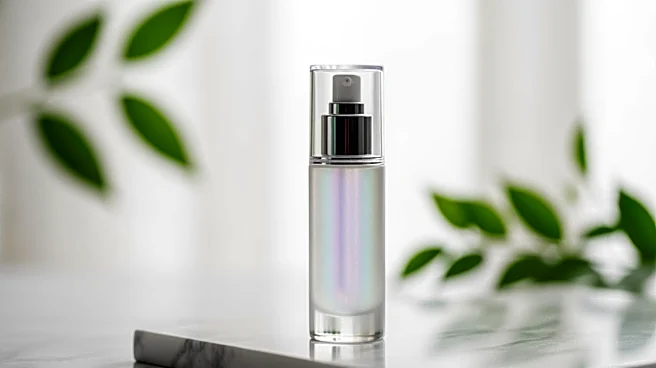
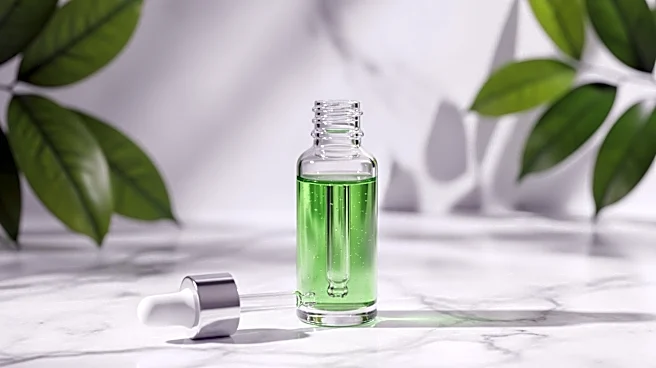
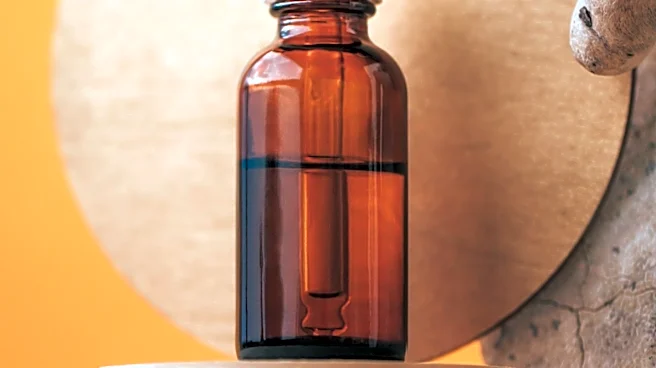
Luna Nectar has introduced the Futurize Botanical Retinol Alternative Boosting Serum, which features bakuchiol as its primary ingredient. Bakuchiol, derived from the psoralea corylifolia plant, is gaining popularity as a gentler alternative to retinol.
It is known for increasing cell turnover, stimulating collagen production, and reducing signs of aging such as fine lines and wrinkles. The serum also contains hydrating squalane and rosehip seed oils to provide additional nourishment. This product is particularly suitable for individuals with sensitive skin who seek the benefits of retinol without the associated irritation.
Why It's Important?
The introduction of bakuchiol-based products like Luna Nectar's serum is significant for the skincare industry, particularly for consumers with sensitive skin. Retinol, while effective, can cause irritation and sensitivity, limiting its use for some individuals. Bakuchiol offers a similar anti-aging effect without these drawbacks, potentially expanding the market for anti-aging products. This development reflects a broader trend towards plant-based and sensitive-skin-friendly skincare solutions, which could influence future product formulations and consumer preferences.
What's Next?
As bakuchiol continues to gain recognition, it is likely that more skincare brands will incorporate this ingredient into their product lines. This could lead to increased competition in the market for retinol alternatives, prompting further innovation in the formulation of anti-aging products. Additionally, consumer education on the benefits and application of bakuchiol will be crucial in driving its adoption. Skincare companies may also explore combining bakuchiol with other natural ingredients to enhance its efficacy and appeal.
Beyond the Headlines
The rise of bakuchiol highlights a shift towards more sustainable and natural ingredients in the beauty industry. This trend aligns with growing consumer demand for eco-friendly and ethically sourced products. As awareness of environmental and health impacts increases, the industry may see a broader move away from synthetic chemicals towards plant-based alternatives. This could have long-term implications for product development, marketing strategies, and regulatory standards in the skincare sector.