




What's Happening?
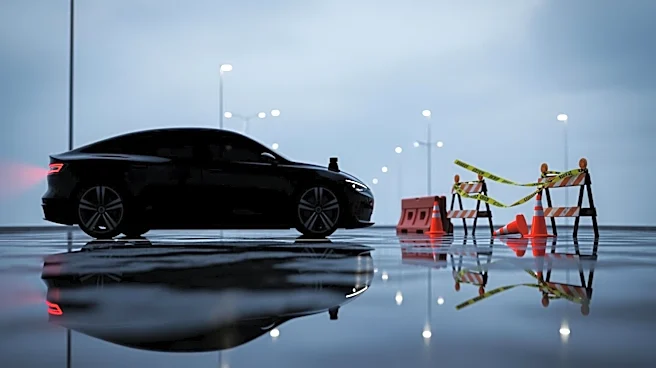
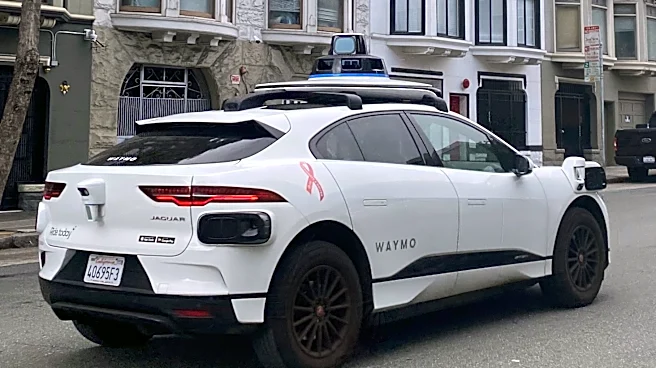
In San Francisco, a Waymo self-driving taxi unexpectedly halted its journey, leaving passenger Sam Schwartz and his wife stranded three-tenths of a mile from their hotel. The vehicle stopped due to a 'huge blockage' related to planned protest activity,
as explained by a Waymo support employee. The company advised Schwartz to use alternative ride services like Uber or Lyft. Waymo later issued a refund for the ride. This incident highlights the challenges faced by Waymo's autonomous vehicles, which have also encountered issues such as driving into floodwaters, leading to a software recall and service suspension in several cities. Despite these setbacks, Schwartz, an author on self-driving technology, expressed admiration for the precision of Waymo's technology during other rides in the city.
Why It's Important?
The incident underscores the operational challenges and limitations of self-driving technology, particularly in complex urban environments like San Francisco. As Waymo and other companies push for broader adoption of autonomous vehicles, these challenges could impact public perception and regulatory decisions. The need for human intervention or alternative transportation options in such scenarios raises questions about the readiness of self-driving cars for widespread use. This situation also highlights the competitive landscape in the ride-hailing industry, where traditional services like Uber and Lyft remain essential backups. The outcome of Waymo's ongoing trials and adjustments could influence the future of urban transportation and the pace at which autonomous vehicles are integrated into daily life.
What's Next?
Waymo is investigating the incident to improve service reliability and customer experience. The company continues to test its vehicles in other cities, including Washington, DC, and New York City, where urban density presents additional challenges. The results of these tests will likely inform Waymo's strategy for expanding its service offerings. Meanwhile, regulatory bodies and city planners will be closely monitoring these developments to assess the feasibility and safety of integrating self-driving cars into existing transportation networks. The feedback from these trials could lead to adjustments in regulations and operational protocols for autonomous vehicles.