



What's Happening?
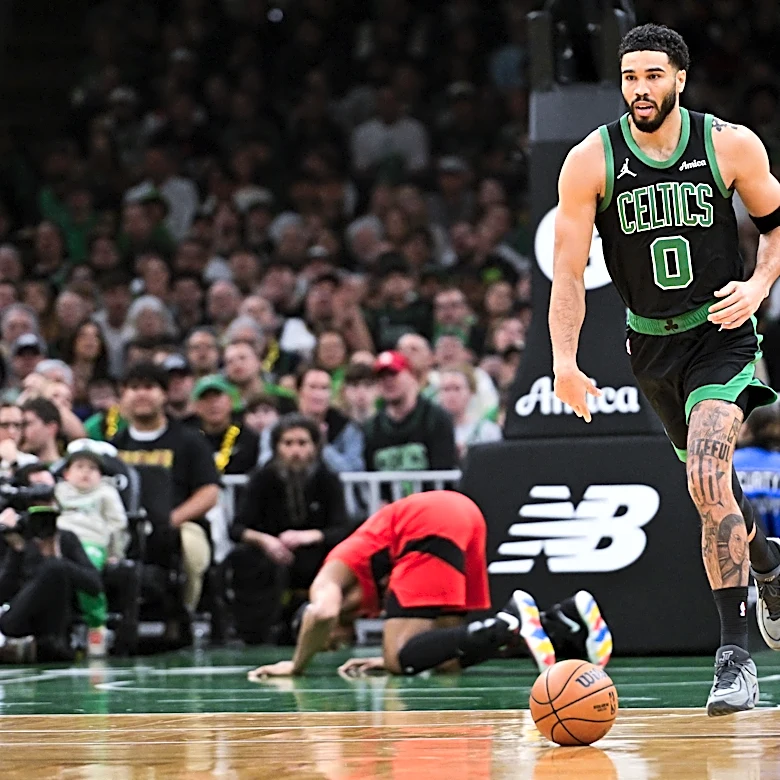
The National Basketball Association (NBA) continues to grapple with the issue of flopping, where players exaggerate contact to draw fouls. Under current rules, a player judged to have flopped can receive a non-unsportsmanlike technical foul, resulting
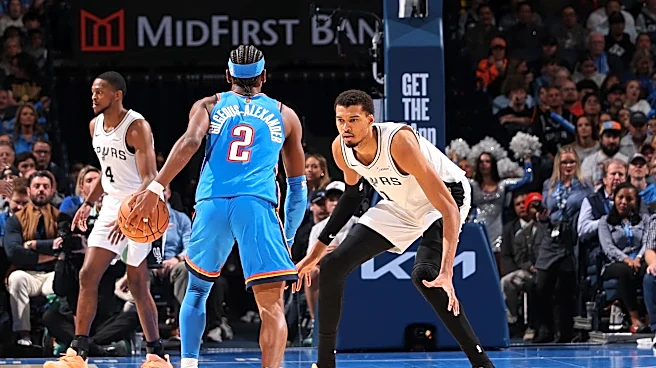
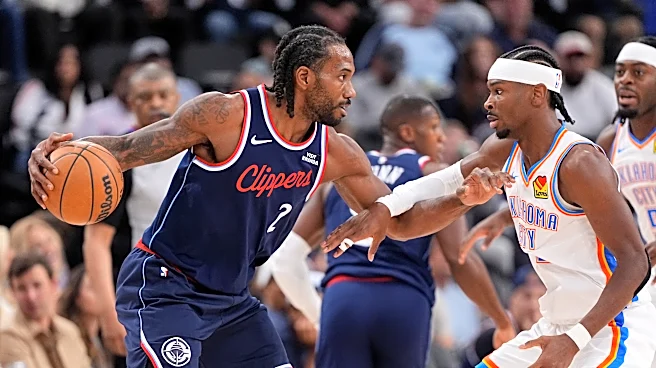
in a free throw for the opposing team. However, the enforcement of this rule is inconsistent, and players cannot be ejected for flopping, leading to criticism of its effectiveness. Oklahoma City Thunder's Shai Gilgeous-Alexander is noted for his ability to draw fouls, sparking debate over whether his actions are strategic or manipulative. Similarly, Thunder defender Lu Dort has been criticized by coaches like Phoenix Suns' Frank Vogel for excessive flopping, which they argue gives his team an unfair advantage. The controversy highlights the difficulty in distinguishing genuine fouls from exaggerated ones, with some flopping calls being overturned upon review.
Why It's Important?
The flopping issue is significant as it affects the integrity of NBA games, influencing game flow and defensive strategies. Critics argue that the current enforcement of flopping rules undermines fair competition, as players may be rewarded for dramatizing contact rather than skillful play. This ongoing debate pressures the NBA to enhance rule enforcement to maintain the sport's integrity. Stricter penalties for repeat offenders could deter flopping, ensuring that games are decided by genuine athletic performance rather than gamesmanship. The league's handling of this issue could impact its reputation and the viewing experience for fans.
What's Next?
The NBA may consider revising its flopping rules to impose stricter penalties on repeat offenders, potentially including fines or suspensions. This could help reduce the prevalence of flopping and restore competitive balance. The league might also explore technological solutions, such as video reviews, to assist referees in making more accurate calls. As the debate continues, players, coaches, and fans will likely advocate for clearer guidelines and consistent enforcement to address the issue effectively.