
What's Happening?
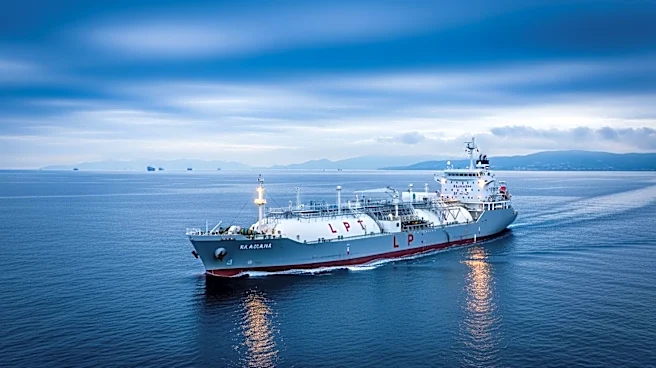
The ongoing conflict between the US and Iran has significantly impacted global fertilizer markets, causing supply disruptions and price increases. The Strait of Hormuz, a critical chokepoint for global trade,
has seen reduced shipments of urea, sulfur, and related feedstock products, forcing buyers to seek alternative supplies at higher costs. The conflict has exacerbated existing supply chain issues, with production curbs linked to gas constraints and security incidents further tightening the market. Despite assurances from governments about sufficient supplies, the disruptions have led to increased prices and uncertainty in the fertilizer industry. The situation is particularly concerning for India, which relies heavily on Middle Eastern imports for its fertilizer needs.
Why It's Important?
The disruption in fertilizer markets due to the US-Iran conflict has far-reaching implications for global agriculture and food security. Fertilizers are essential for crop production, and any supply chain disruptions can lead to increased costs for farmers, potentially affecting food prices and availability. The conflict highlights the vulnerability of global supply chains to geopolitical tensions, emphasizing the need for diversification and resilience in sourcing critical agricultural inputs. The situation also underscores the importance of diplomatic efforts to stabilize the region and ensure the free flow of goods through key trade routes like the Strait of Hormuz.
What's Next?
As the conflict continues, stakeholders in the fertilizer industry are closely monitoring diplomatic developments that could lead to a resolution and the reopening of safe transit routes. Buyers are holding back on purchases, anticipating potential peace talks that might ease tensions and stabilize prices. Meanwhile, countries like India are exploring alternative supply sources and considering government-to-government talks with other nations to secure necessary imports. The industry is also likely to see increased focus on developing domestic production capabilities and diversifying supply chains to mitigate future risks.