

What's Happening?
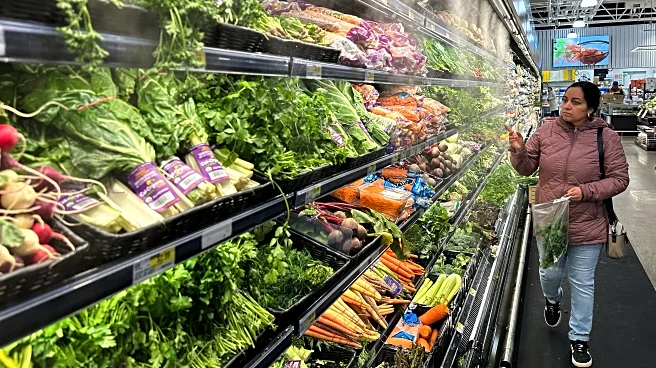
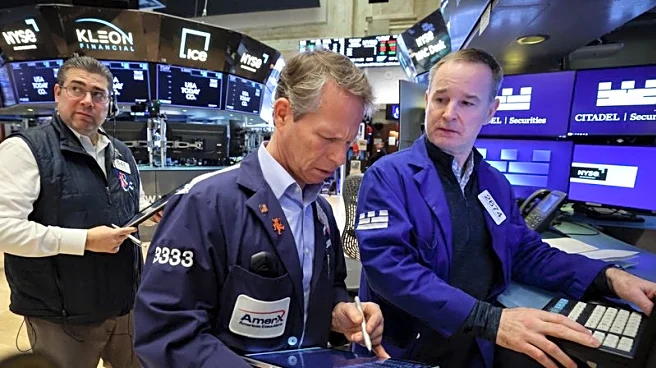
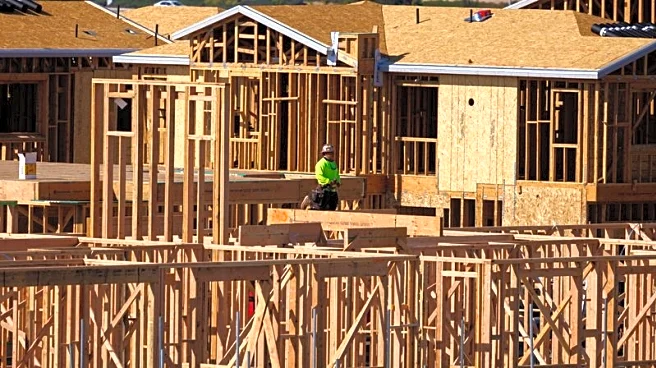
In the final quarter of 2025, the U.S. economy grew at an annual rate of 1.4%, a significant slowdown from the 4.4% growth in the previous quarter, as reported by the Commerce Department. Despite this deceleration, the overall economic growth for 2025 was 2.2%. Consumer spending, a major economic driver, increased by 2.4% in the fourth quarter. However, the labor market showed signs of stalling, with only 181,000 jobs added in 2025, a sharp decline from the previous year's 1.4 million. The artificial intelligence sector provided a notable boost to GDP, with significant investments in data centers and related infrastructure.
Why It's Important?
The slowdown in economic growth, coupled with a stagnant labor market, raises concerns about the sustainability of the current
economic expansion. The reliance on consumer spending, particularly from wealthier individuals, highlights potential disparities in economic benefits. The AI sector's growth offers a bright spot, suggesting potential for future economic contributions. However, the broader implications of AI on employment and productivity remain uncertain. The economic landscape is further complicated by factors such as tariffs and government spending fluctuations, which could influence future growth trajectories.
What's Next?
The U.S. economy faces several challenges moving forward, including the need for increased job creation to support sustained growth. The potential for AI investment to spread to other sectors could provide a broader economic boost. Policymakers may need to consider measures to address economic disparities and support job growth. The impact of recent tax incentives on business investment will also be a key area to monitor. As the economy navigates these complexities, stakeholders will need to adapt to changing conditions to maintain economic stability.