



What's Happening?
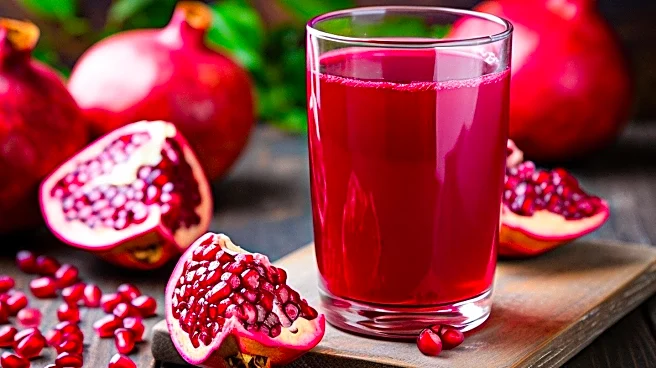
Pomegranate juice is being recommended by nutrition experts for its potential heart health benefits due to its high antioxidant content. According to Lauri Wright, PhD, RDN, director of nutrition programs at USF College of Public Health, consistent intake of pomegranate juice can improve blood vessel function and reduce oxidative stress. The juice is rich in polyphenols, which help keep blood vessels smooth and support the production of nitric oxide, a compound that relaxes blood vessels. However, individuals with diabetes or those on certain medications should consult their healthcare provider before consuming pomegranate juice regularly.
Why It's Important?
The regular consumption of pomegranate juice could have significant implications for cardiovascular health,
particularly in reducing blood pressure and improving vascular function. This is crucial for individuals at risk of heart disease, as the antioxidants in pomegranate juice can help prevent LDL oxidation, a factor in cardiovascular health. The juice's ability to support nitric oxide production further underscores its potential in maintaining healthy blood vessels. However, the interaction of pomegranate juice with certain medications highlights the need for medical consultation, ensuring safe consumption for those with existing health conditions.
What's Next?
As awareness of the health benefits of pomegranate juice grows, it is likely that more individuals will incorporate it into their daily routines. Healthcare providers may increasingly recommend it as part of a heart-healthy diet, especially for patients with cardiovascular concerns. Further research could explore additional health benefits and optimal consumption strategies, potentially leading to new dietary guidelines.
Beyond the Headlines
The emphasis on consistent intake rather than timing suggests a shift in how dietary recommendations are made, focusing on long-term health benefits rather than immediate effects. This approach may influence broader dietary practices, encouraging individuals to prioritize regular consumption of health-promoting foods.