
What's Happening?
The global precision agriculture market is expected to grow significantly, reaching USD 23.25 billion by 2033, up from USD 13.33 billion in 2025. This growth is driven by the increasing adoption of digital
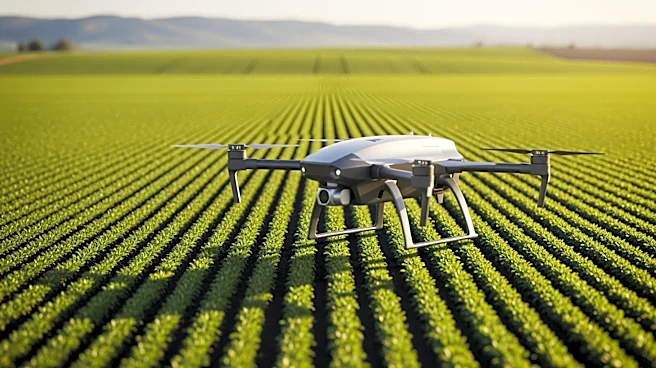
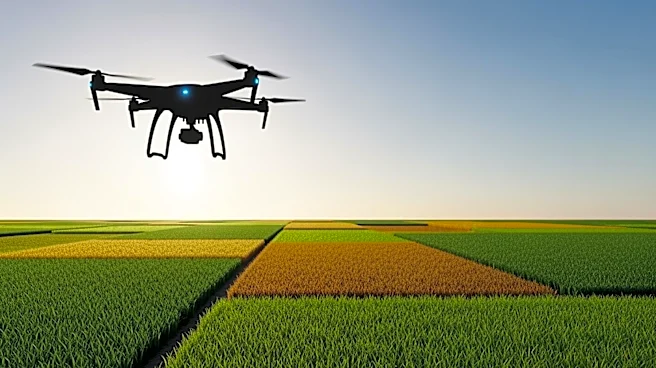
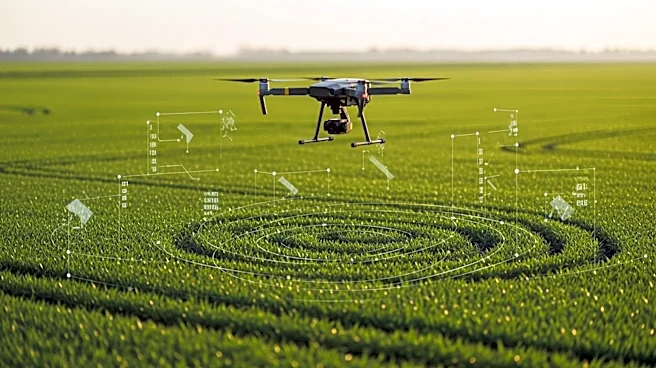
technologies such as GPS, IoT sensors, drones, artificial intelligence, and analytics tools. These technologies enable farmers to make real-time decisions, improving productivity and resource efficiency. The rising global demand for food, coupled with climate pressures and labor shortages, is accelerating the adoption of precision agriculture. Governments are supporting this shift through subsidies and digital agriculture programs, encouraging both large commercial farms and smallholders to adopt precision-based farming systems.
Why It's Important?
The expansion of the precision agriculture market is crucial for addressing global food security challenges. As the world population grows, the demand for food increases, necessitating more efficient agricultural practices. Precision agriculture offers solutions to maximize yield while minimizing resource wastage, which is essential in the face of limited arable land and environmental concerns. The integration of advanced technologies reduces dependency on manual labor and enhances operational accuracy, promoting sustainable farming practices. This shift not only benefits farmers by improving productivity and reducing costs but also supports broader environmental goals by minimizing the ecological footprint of agriculture.
What's Next?
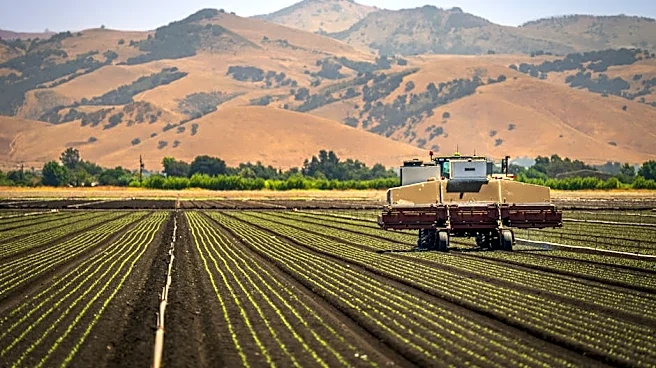
The precision agriculture market is expected to continue its growth trajectory, driven by ongoing investments in agricultural automation and AI-powered farm management systems. Companies are likely to focus on developing autonomous machinery and cloud-based platforms to further enhance productivity and sustainability. Strategic partnerships between agritech firms and technology providers will play a key role in market development. However, challenges such as limited digital infrastructure and high equipment costs may slow adoption in some regions. Addressing these barriers will be crucial for realizing the full potential of precision agriculture globally.
Beyond the Headlines
The adoption of precision agriculture has deeper implications for the agricultural sector, including shifts in labor dynamics and the need for new skill sets among farmers. As technology becomes more integrated into farming practices, there will be a growing demand for training and support services to help farmers effectively utilize these tools. Additionally, the focus on sustainability and resource efficiency aligns with global efforts to combat climate change, positioning precision agriculture as a key component of future agricultural policies. The market's growth also highlights the importance of innovation and collaboration in addressing complex global challenges.