







What's Happening?
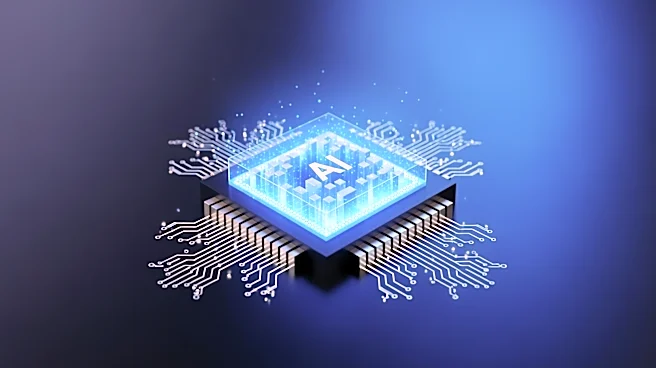
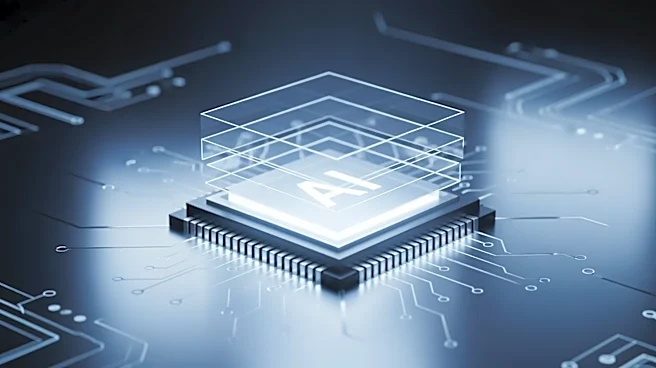
The development of edge AI processors is transforming the robotics industry by making advanced technology more accessible. These processors, produced by companies like NVIDIA, AMD, and Qualcomm, enable robots and automated systems to process data and make
decisions without needing constant internet connectivity. However, the complexity of using these processors has limited their accessibility to a small group of experienced engineers. To address this, Numurus has developed the NEPI (Numurus Edge Platform Interface), a software platform that simplifies the integration and use of edge AI processors. NEPI provides plug-and-play drivers and a user-friendly interface, allowing users to connect and manage various sensors and AI models without extensive programming knowledge.
Why It's Important?
The introduction of user-friendly software like NEPI is significant because it democratizes access to advanced robotics technology. By lowering the barrier to entry, more industries and educational institutions can integrate AI-based automation into their operations. This shift could lead to increased innovation and efficiency across various sectors, including maritime threat detection, commercial fishing, and underwater inspection. The broader accessibility of edge AI technology could also spur new applications and products, as more teams can focus on their core expertise rather than the technical complexities of AI integration.
What's Next?
As edge AI technology becomes more accessible, it is expected that more industries will adopt these solutions, leading to a proliferation of AI-enabled products and services. This could result in a significant expansion of the robotics market, with new players entering the field and existing companies enhancing their offerings. The continued development of user-friendly platforms like NEPI will be crucial in supporting this growth, as they provide the necessary tools for non-specialists to leverage advanced AI capabilities. Additionally, educational programs may increasingly incorporate AI-based automation, preparing a new generation of engineers and developers to work with these technologies.
Beyond the Headlines
The shift towards more accessible edge AI technology also raises important considerations regarding data privacy and security. As more devices become AI-enabled, ensuring the protection of sensitive data will be critical. Furthermore, the increased use of AI in decision-making processes may lead to ethical questions about accountability and transparency. As the industry evolves, stakeholders will need to address these challenges to ensure the responsible deployment of AI technologies.