


What's Happening?
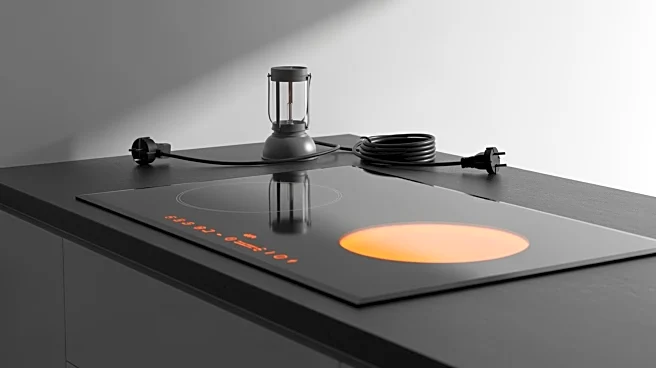
The Electra Induction Stove is a new kitchen appliance designed to function even during power outages, thanks to its built-in 5kWh battery. Unlike traditional induction stoves that require a 240V outlet, the Electra can plug into a standard 120V wall outlet, reducing installation costs. The stove features four burners and an oven, drawing power from both the outlet and its battery. The battery, made of lithium iron phosphate, is designed to last over 10 years and retain 80% capacity after 6,000 cycles. The Electra is priced at $4,000 and is available for preorder, with shipping expected to begin in February.
Why It's Important?
The Electra Induction Stove represents a significant innovation in home appliances, offering a reliable cooking solution during power outages.
This feature is particularly beneficial in areas prone to frequent power disruptions, providing homeowners with a sense of security and continuity. Additionally, the stove's ability to operate on a standard outlet without the need for rewiring makes it accessible to a broader market. The integration of a battery also suggests a shift towards more sustainable and energy-efficient home appliances, potentially influencing major manufacturers to adopt similar technologies.
What's Next?
Electra's CEO, Bert Muthalaly, envisions the stove's battery being used as a whole-home backup system or to alleviate grid demands during peak energy use. This could lead to a future where major appliances are equipped with batteries, creating an ad-hoc backup system for homes. The success of the Electra stove could prompt larger companies like Samsung and LG to incorporate similar technologies into their products, potentially transforming the home appliance industry.
Beyond the Headlines
The Electra Induction Stove not only addresses practical concerns during power outages but also highlights a growing trend towards sustainability in home appliances. The use of lithium iron phosphate batteries, known for their stability and longevity, reflects a commitment to safer and more durable energy solutions. This innovation could pave the way for further advancements in energy-efficient technologies, encouraging consumers and manufacturers to prioritize sustainability in their purchasing and production decisions.