



What's Happening?
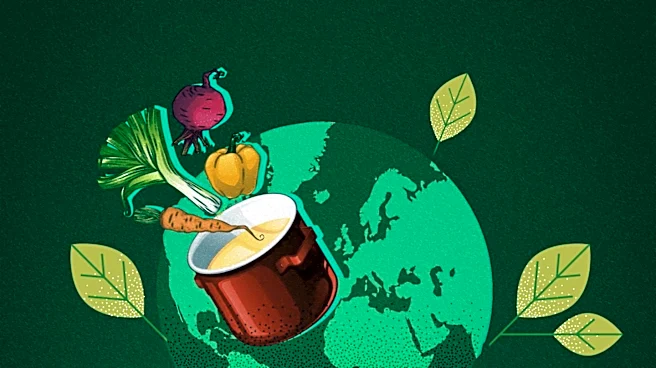
Earth Day serves as a reminder of the critical role food plays in shaping the planet's health. Indigenous food systems, which connect soil, water, farmers, and consumers, are highlighted as essential for climate justice. These systems protect biodiversity
and offer sustainable alternatives to industrial agriculture. The Slow Food Indigenous Peoples Network emphasizes the need for Indigenous leadership in decision-making and the protection of land rights to ensure food sovereignty and environmental sustainability.
Why It's Important?
Indigenous food systems are vital for maintaining biodiversity and ecological balance. They offer sustainable practices that can mitigate the impacts of climate change and promote food security. The recognition of Indigenous knowledge and leadership is crucial for achieving climate justice and addressing the environmental crisis. This approach challenges the dominant industrial agriculture model and advocates for a more equitable and sustainable food system.
What's Next?
The Slow Food Indigenous Peoples Network will continue to advocate for the inclusion of Indigenous voices in global food and environmental policies. Efforts to protect land rights and promote agroecological practices are expected to gain momentum. The network's initiatives may inspire broader movements for climate justice and sustainable food systems, encouraging governments and organizations to adopt policies that support Indigenous communities and biodiversity conservation.
Beyond the Headlines
The focus on Indigenous food systems highlights the intersection of environmental and social justice. It raises questions about the ethical responsibilities of governments and corporations in supporting sustainable practices and respecting Indigenous rights. The movement challenges conventional economic models and calls for a reevaluation of how resources are managed and distributed. The preservation of cultural heritage and traditional knowledge is also emphasized as integral to environmental sustainability.