






What's Happening?
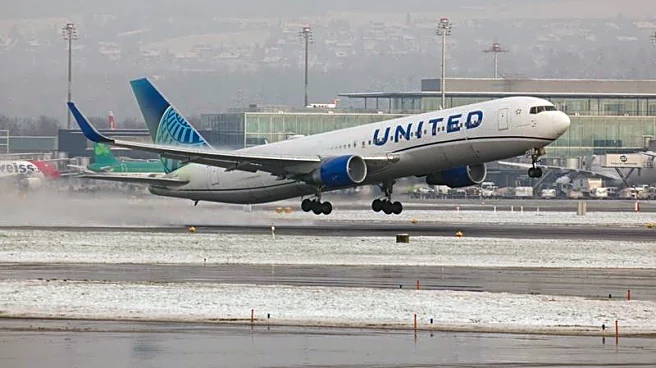
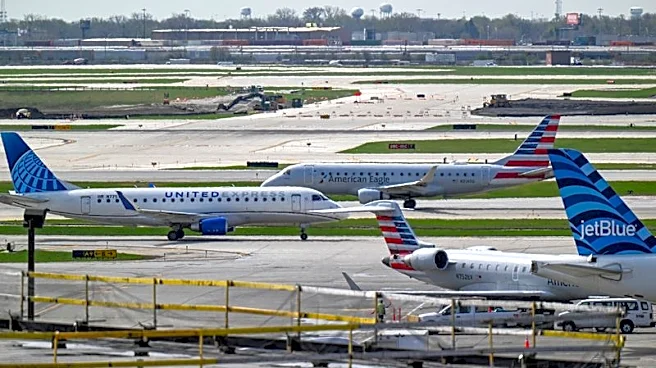
United Airlines has announced that it expects to maintain higher airfare prices even if jet fuel costs decrease. During a recent earnings call, United's executives revealed that the airline has implemented multiple fare increases to offset rising fuel costs.
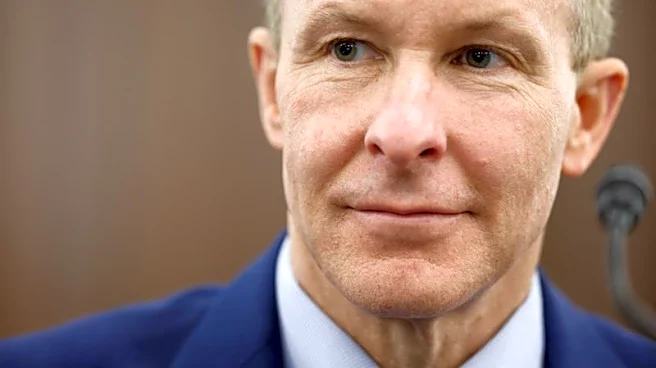
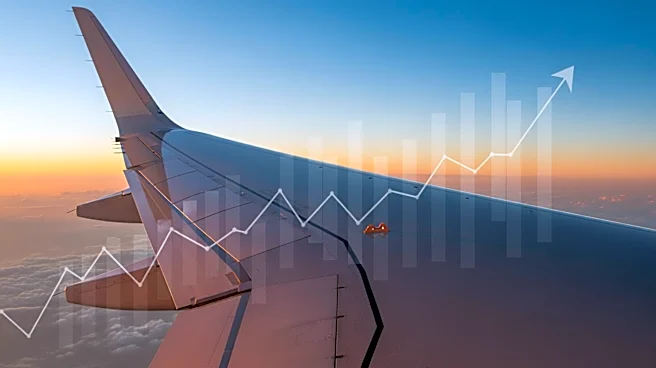
In the first quarter of 2026, United increased fares five times and raised baggage fees, which helped counterbalance the surge in jet fuel prices. The airline reported that its yields increased significantly, with a 4% rise in January and February, escalating to 18% by the end of March. United's CEO, Scott Kirby, expressed confidence that a substantial portion of these fare increases would remain in place, even if fuel prices normalize. The airline aims to offset 40-50% of increased fuel costs through higher ticket prices in the second quarter, with expectations to cover 70-80% in the third quarter and 85-100% by the fourth quarter.
Why It's Important?
The decision by United Airlines to maintain higher fares has significant implications for the airline industry and consumers. As airlines face increased operational costs due to rising fuel prices, they are compelled to adjust pricing strategies to remain profitable. United's approach suggests a shift towards sustaining higher fares, which could set a precedent for other airlines. This move may lead to reduced competition as smaller carriers struggle to match these price levels, potentially resulting in fewer choices and higher costs for travelers. The strategy also highlights the airline's reliance on capacity adjustments to boost yields, which could impact flight availability and service frequency. For consumers, the persistence of elevated fares could mean higher travel expenses, affecting leisure and business travel plans.
What's Next?
As United Airlines continues to navigate the challenges of increased fuel costs, the airline industry may see further consolidation if smaller carriers cannot compete with the pricing strategies of larger airlines. This could lead to a more concentrated market with fewer players, potentially reducing competition and consumer choice. Additionally, regulatory scrutiny may increase as policymakers assess the impact of sustained high fares on consumers and the broader economy. Airlines may also explore alternative strategies to manage costs, such as investing in more fuel-efficient aircraft or exploring sustainable aviation fuels. The ongoing situation will require airlines to balance profitability with consumer demand and regulatory expectations.