





What's Happening?
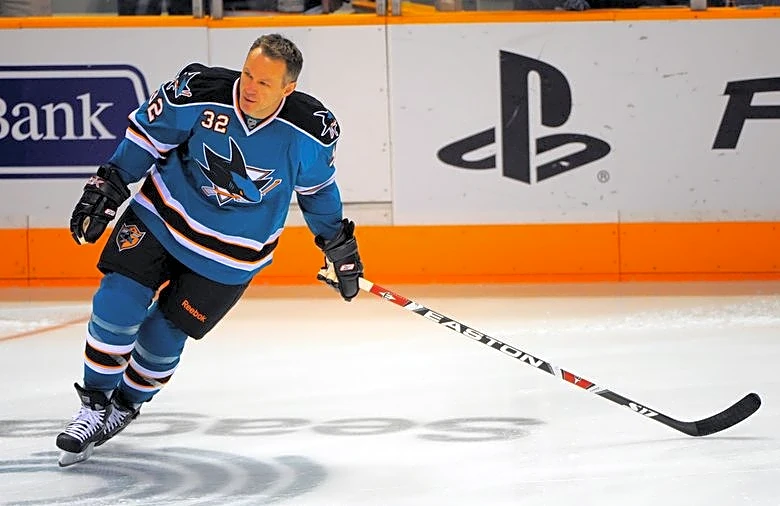
Retired NHL star Claude Lemieux has passed away, reportedly due to emotional struggles stemming from his exclusion from the Hockey Hall of Fame. Lemieux, who was a key player for teams like the Montreal Canadiens, New Jersey Devils, and Colorado Avalanche,
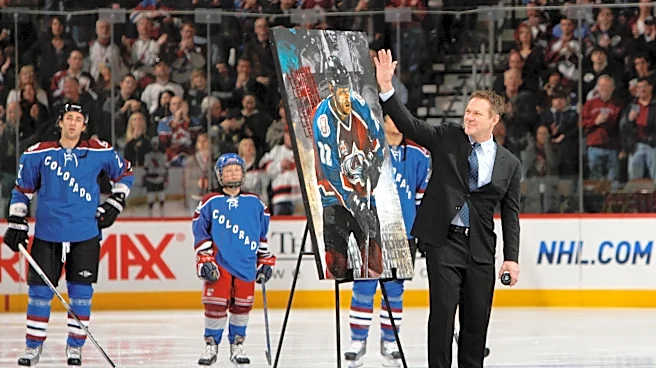
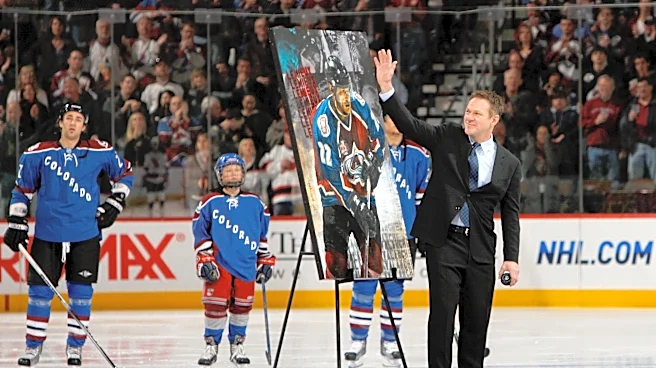
won four Stanley Cups during his career. Despite his achievements, he was never inducted into the Hall of Fame, a fact that deeply affected him. Friends and family describe Lemieux as a 'tough guy' on the ice but sensitive to rejection, which he perceived as a significant injustice. His death was discovered in the warehouse of his family's furniture business in Florida. Lemieux had recently participated in a ceremonial event at the Bell Centre in Montreal, which some speculate may have triggered intense emotions.
Why It's Important?
The death of Claude Lemieux highlights the profound impact that professional recognition, or the lack thereof, can have on athletes' mental health. Despite his on-ice success, Lemieux's exclusion from the Hall of Fame was a source of deep personal pain, illustrating the pressures and emotional challenges faced by retired athletes. This incident underscores the need for greater mental health support for athletes transitioning out of professional sports. It also raises questions about the criteria and processes for Hall of Fame inductions, potentially prompting discussions within the sports community about how to better recognize and support athletes' contributions.
What's Next?
In the wake of Lemieux's death, there may be increased scrutiny on the NHL and other sports organizations to provide better mental health resources for retired players. The sports community might also revisit the Hall of Fame selection process to ensure it fairly acknowledges players' contributions. Additionally, Lemieux's family and friends are likely to advocate for greater awareness of mental health issues among athletes, potentially leading to initiatives aimed at supporting those struggling with similar challenges.
Beyond the Headlines
Lemieux's story sheds light on the broader cultural and psychological challenges faced by athletes who retire from the spotlight. The transition from a celebrated career to a quieter life can be difficult, especially when coupled with feelings of rejection or unfulfilled potential. This case may encourage a reevaluation of how society views success and recognition in sports, emphasizing the importance of mental well-being over accolades.