
What's Happening?
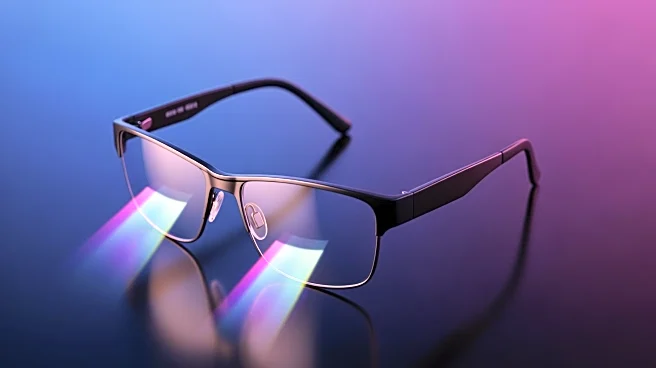
The smart glasses market is witnessing significant advancements, with new models offering enhanced features for various uses. Meta CEO Mark Zuckerberg has suggested that smart glasses could replace smartphones
in the next decade, although this view is not universally accepted. The latest smart glasses are designed for communication, navigation, fitness tracking, and immersive gaming. Notable models include the Ray-Ban Meta Gen 2, which features a 12-megapixel camera and AI capabilities, and the Viture Luma Pro, known for its high-quality display. Other models like the Xreal One Pro and Oakley Meta Vanguard cater to premium users and athletes, respectively. These devices are becoming more practical and accessible, with options available for different budgets and needs.
Why It's Important?
The evolution of smart glasses represents a significant shift in wearable technology, potentially impacting how people interact with digital content. As these devices become more integrated into daily life, they could influence sectors such as communication, entertainment, and fitness. The development of smart glasses with AI features and high-resolution displays suggests a move towards more immersive and interactive experiences. This trend could lead to new opportunities for tech companies and developers, as well as changes in consumer behavior. The potential for smart glasses to replace smartphones could also disrupt the mobile device market, prompting companies to innovate and adapt to changing consumer preferences.
What's Next?
The smart glasses market is expected to continue growing, with upcoming launches from major tech companies like Google and Apple. Google's Project Aura and Apple's AI smart glasses are anticipated to introduce new features and capabilities, further enhancing the appeal of these devices. As more companies enter the market, competition is likely to drive innovation and lower prices, making smart glasses more accessible to a broader audience. The integration of augmented reality and AI features could also lead to new applications and use cases, expanding the potential impact of smart glasses across various industries.
Beyond the Headlines
The rise of smart glasses raises questions about privacy and data security, as these devices often include cameras and microphones. Ensuring user privacy and addressing potential security vulnerabilities will be crucial as the technology becomes more widespread. Additionally, the cultural acceptance of wearing smart glasses in public spaces may evolve, influencing social norms and etiquette. The development of smart glasses also highlights the ongoing convergence of fashion and technology, as manufacturers strive to create aesthetically pleasing designs that appeal to consumers.