







What's Happening?
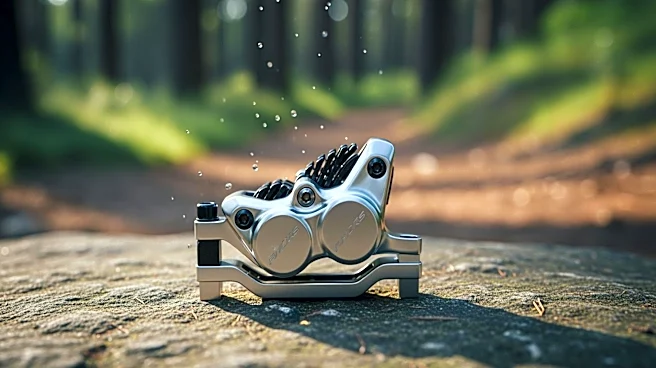
Fox is reportedly working on a new disc brake system that automatically removes air bubbles, a process known as self-bleeding. This innovation aims to reduce the maintenance burden on mountain bikers, who often find bleeding brakes to be a cumbersome
task. However, the article suggests that while self-bleeding brakes are technically impressive, they may not address the most common issue faced by riders: squeaky brake rotors. The noise from slightly misaligned or warped brake components is a frequent annoyance for bikers, often requiring more attention than bleeding. The challenge lies in the complex integration of various components from different manufacturers, which can lead to inconsistencies and noise.
Why It's Important?
The development of self-bleeding brakes by Fox could significantly impact the mountain biking industry by simplifying maintenance and potentially improving the riding experience. If successful, this technology could reduce the time and effort spent on brake maintenance, allowing riders to focus more on their performance and enjoyment. However, the persistent issue of squeaky brakes highlights a broader challenge in the industry: the need for better integration and compatibility among components from different manufacturers. Addressing this could lead to more seamless and enjoyable biking experiences, potentially increasing the sport's appeal and accessibility.
What's Next?
As Fox continues to develop its self-bleeding brake system, the industry will likely watch closely to see if this innovation can be effectively implemented and whether it will gain acceptance among riders. The success of this technology could prompt other manufacturers to explore similar solutions or address the squeaky brake issue more directly. Additionally, the industry may need to consider standardizing components to reduce compatibility issues, which could lead to broader changes in manufacturing and design practices.
Beyond the Headlines
The introduction of self-bleeding brakes could have long-term implications for the mountain biking industry, potentially setting a new standard for brake systems. This innovation might also influence consumer expectations, pushing manufacturers to prioritize ease of maintenance and noise reduction in future designs. Furthermore, the focus on reducing maintenance could encourage more people to take up mountain biking, knowing that the sport requires less technical upkeep.