





What's Happening?
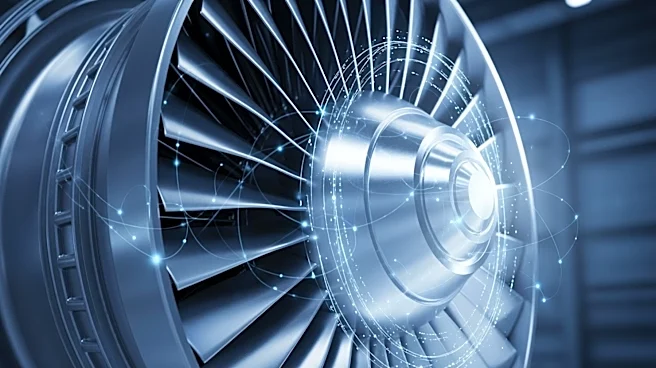
The demand for electricity in the U.S. is surging due to the rapid expansion of AI data centers, with projections indicating a need for 90 GW by 2030. To address this, existing gas turbines are being upgraded with wet compression technology, which enhances
power output and efficiency. This method involves injecting demineralized water into the turbine's inlet air stream, cooling it and increasing the mass flow rate, thereby boosting power output by 5% to 10%. The technology is seen as a cost-effective and quick solution compared to building new power plants, which require significant time and investment.
Why It's Important?
The upgrades are crucial as they provide a swift response to the growing energy demands driven by AI developments. By enhancing existing infrastructure, the U.S. can meet immediate power needs without the lengthy process of constructing new facilities. This approach not only supports the burgeoning AI industry but also helps maintain grid stability. The ability to quickly increase power output is vital for economic growth and technological advancement, ensuring that the U.S. remains competitive in the global market.
What's Next?
As the demand for electricity continues to rise, further adoption of wet compression technology is expected. Companies may increasingly invest in these upgrades to maximize the efficiency of their existing gas turbines. Additionally, there may be a push for policy support to facilitate these enhancements, ensuring that the energy sector can keep pace with technological advancements. The focus will likely remain on balancing immediate power needs with long-term sustainability goals.