
What's Happening?
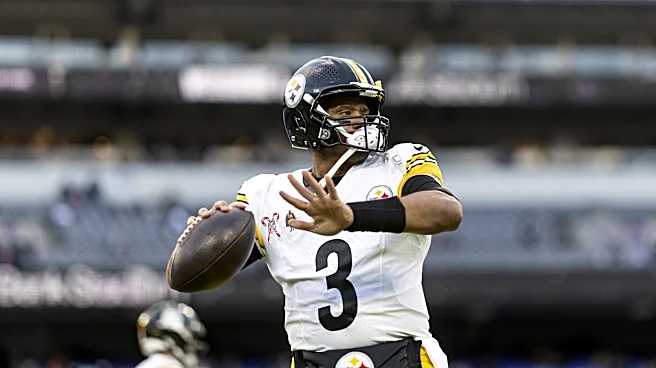
Russell Wilson, the former star quarterback for the Seattle Seahawks, has announced his retirement from the NFL. Wilson's career spanned 14 years, during which he played for four teams: the Seahawks, Denver
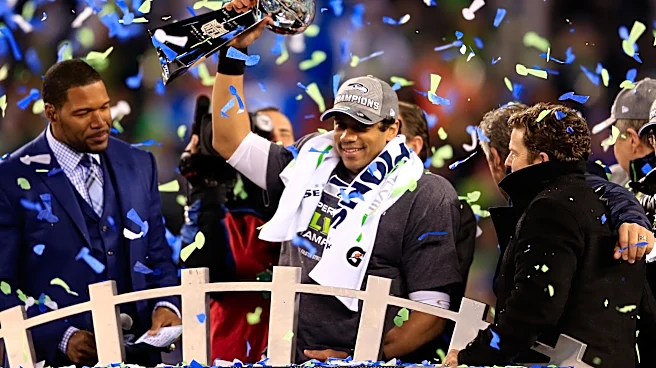
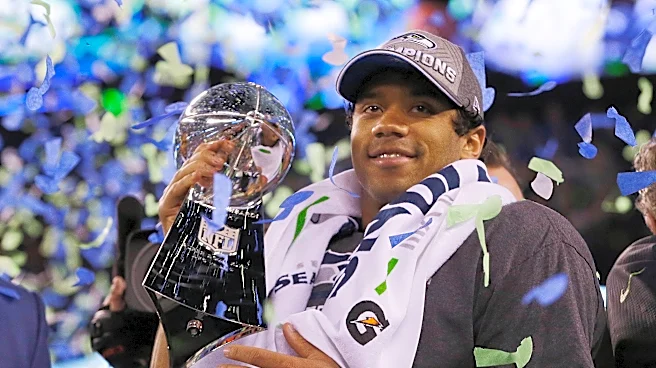
Broncos, Pittsburgh Steelers, and New York Giants. He is celebrated for his impressive statistics, including being first in Seahawks history with 37,059 passing yards and 104 regular-season wins. Wilson played in two Super Bowls and earned 10 Pro Bowl nods. His career highlights include leading the Seahawks to their first Super Bowl victory in 2013 and achieving a career-high 40 touchdowns in 2020.
Why It's Important?
Russell Wilson's retirement marks the end of an era for the NFL, particularly for the Seattle Seahawks, where he spent the majority of his career. His departure leaves a significant gap in leadership and performance for the teams he played for, especially the Seahawks. Wilson's career achievements have set a high standard for future quarterbacks, influencing the strategies and expectations within the league. His impact extends beyond the field, as he was recognized as the 2020 Walter Payton Man of the Year, highlighting his contributions to the community and the sport.
What's Next?
With Wilson's retirement, the teams he played for, especially the Seahawks, will need to focus on finding a successor who can fill the void left by his departure. This transition may involve strategic changes in team dynamics and player recruitment. The NFL will continue to evolve as new talents emerge, but Wilson's legacy will likely influence the development of future quarterbacks. Fans and analysts will watch closely to see how teams adapt to this change and who will rise to prominence in the absence of Wilson's presence.
Beyond the Headlines
Russell Wilson's retirement may also prompt discussions about the longevity and health of NFL players, as his career spanned over a decade with notable achievements. His decision to retire could inspire other players to consider their career paths and the impact of long-term play on their health and personal lives. Additionally, Wilson's community involvement and recognition as the Walter Payton Man of the Year may encourage other athletes to engage more deeply with social causes and community service.