

What's Happening?
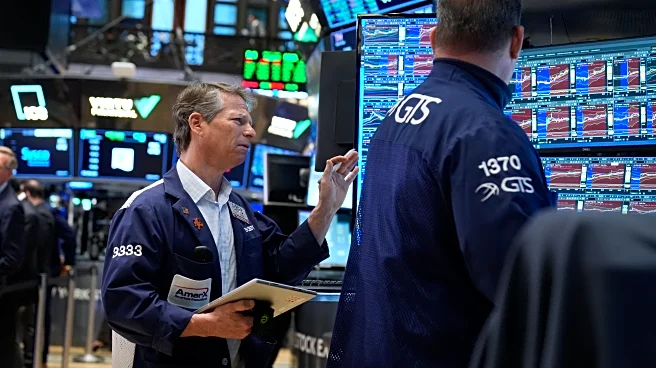
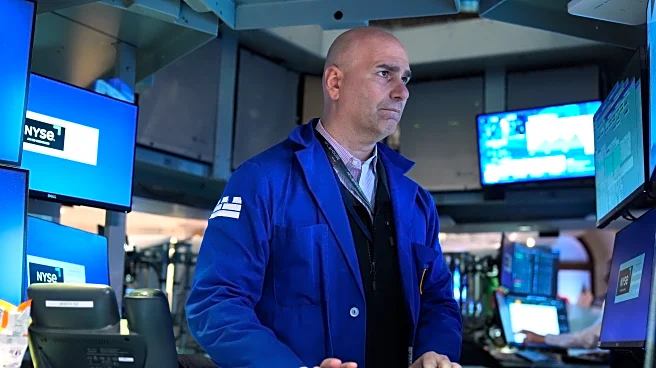
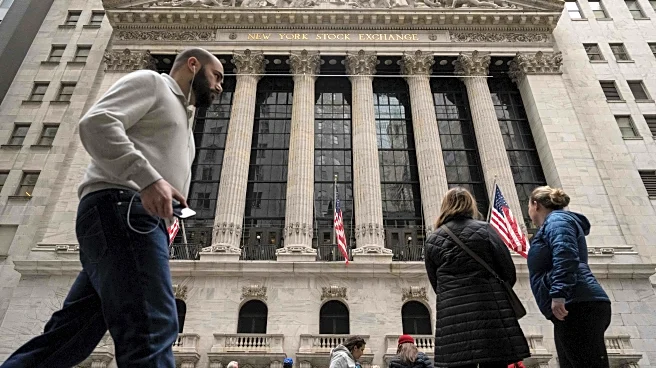
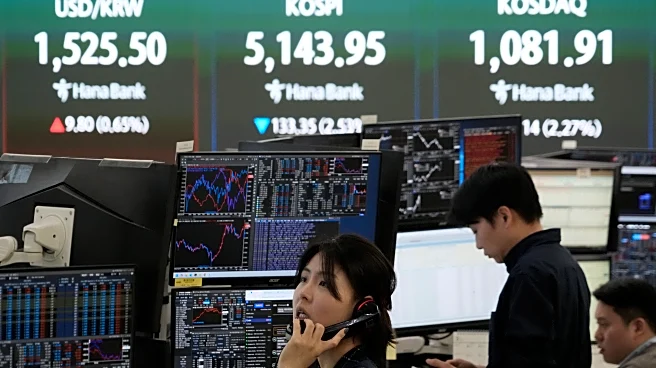
The U.S. stock market experienced a significant sell-off, with major indexes like the Dow and Nasdaq entering correction territory due to escalating tensions between the U.S. and Iran. The conflict has raised concerns about oil prices, which are nearing
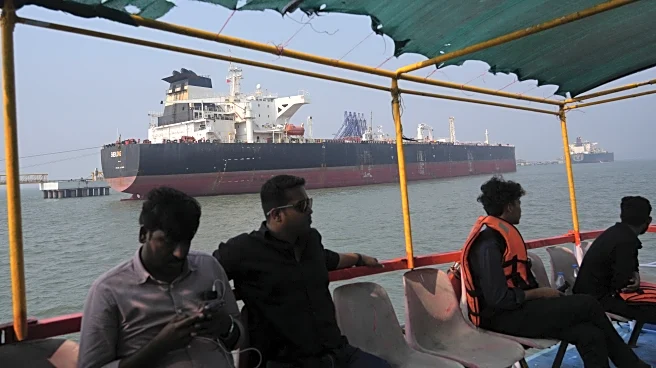
critical levels that could impact the U.S. economy. Analysts have noted that the White House's assurances regarding the conflict's timeline have not alleviated market fears. The sell-off has affected diversified portfolios, with both stocks and bonds declining. Economists and market strategists have expressed concerns about the potential long-term impacts on the global economy, particularly if the Strait of Hormuz remains closed, affecting oil supply.
Why It's Important?
The market downturn highlights the vulnerability of global markets to geopolitical tensions, particularly those involving major oil-producing regions. The potential for sustained high oil prices poses a risk to economic stability, with inflationary pressures likely to increase if the situation persists. The sell-off also reflects a loss of confidence in the so-called 'Trump put,' where investors previously believed that President Trump would intervene to stabilize markets. This shift in sentiment could lead to increased market volatility and uncertainty, affecting investor behavior and economic forecasts. The situation underscores the interconnectedness of global markets and the potential for regional conflicts to have widespread economic repercussions.
What's Next?
Market analysts are closely monitoring developments in the U.S.-Iran conflict, with particular attention to oil price movements and geopolitical negotiations. The resolution of the conflict and the reopening of the Strait of Hormuz are critical factors that could stabilize markets. In the meantime, investors may continue to experience volatility, with potential adjustments in investment strategies to mitigate risks. The situation may also prompt discussions on energy independence and alternative energy sources to reduce reliance on volatile regions. Policymakers and economic leaders will likely face pressure to address the economic impacts and reassure markets.