
What's Happening?
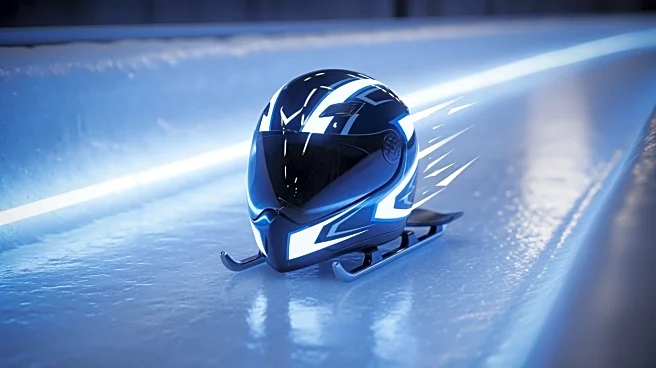
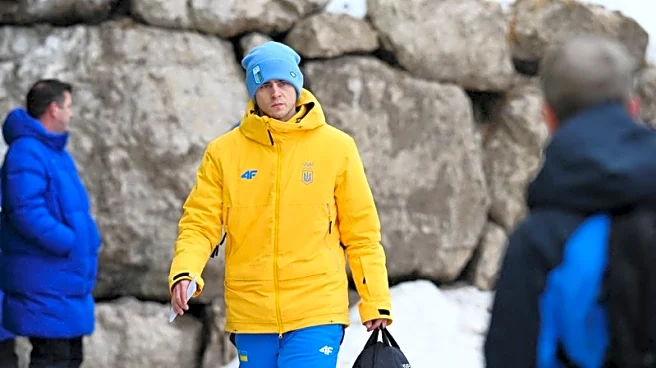
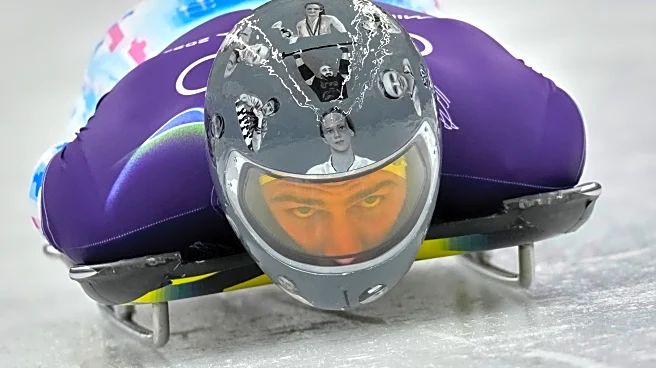
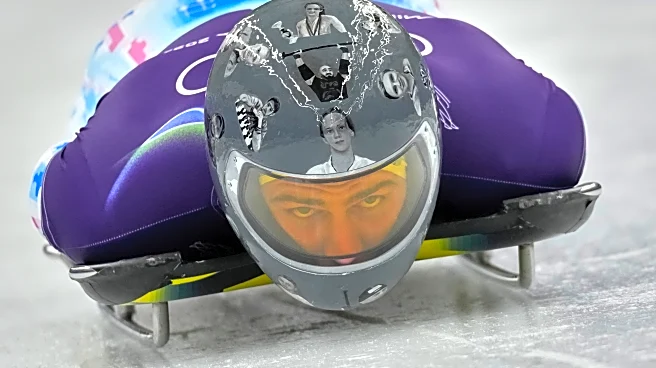
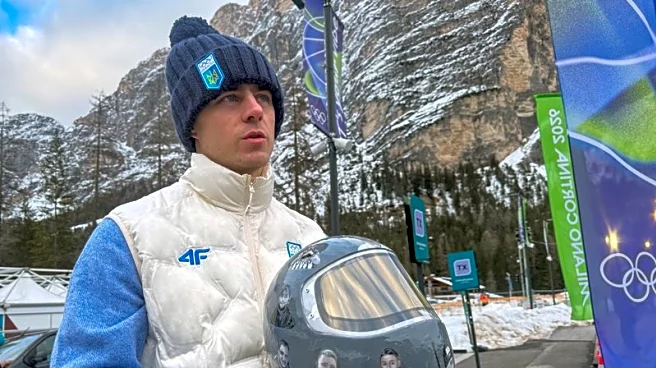
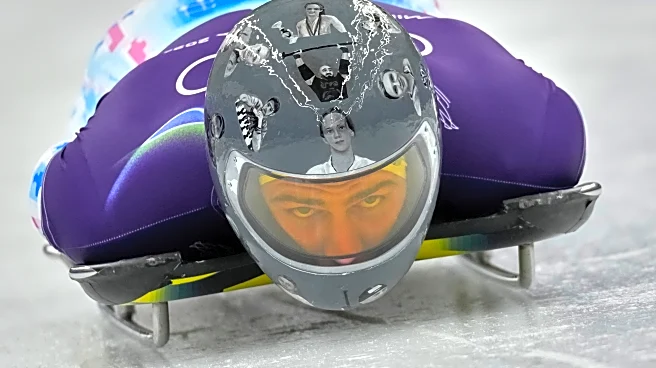
Ukrainian skeleton racer Vladyslav Heraskevych has been banned from competing in the Milano Cortina 2026 Winter Olympics after wearing a helmet honoring Ukrainian athletes who died in the Ukraine War. The International Olympics Committee (IOC) and the International Bobsleigh and Skeleton Federation (IBSF) ruled that the helmet violated guidelines on athlete expression. Despite multiple discussions with the IOC, Heraskevych refused to compromise on the helmet's design, leading to his disqualification. The IOC emphasized that the issue was not the message itself but the context in which it was expressed. Heraskevych expressed gratitude for the support he received and highlighted the significance of the tribute over any potential medal.
Why It's Important?
This incident
raises questions about the balance between personal expression and adherence to international sporting regulations. The IOC's decision reflects the challenges of maintaining neutrality in global sports events while respecting athletes' rights to express personal and national sentiments. The ban has sparked discussions on the role of sports as a platform for political and social statements, especially in the context of ongoing global conflicts. The decision also highlights the complexities faced by international sports organizations in managing diverse cultural and political expressions within the framework of global competitions.