
What's Happening?
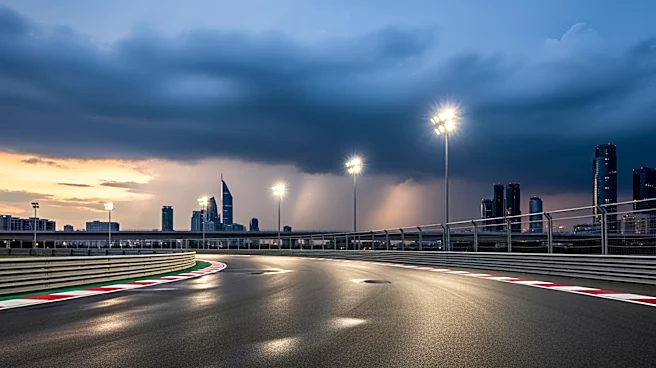
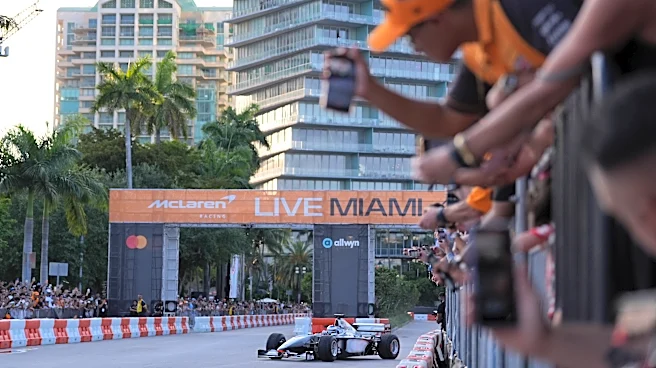
The FIA has issued a statement addressing potential weather disruptions for the upcoming Miami Grand Prix, scheduled for this weekend. While the initial days of the event are expected to be sunny, forecasts
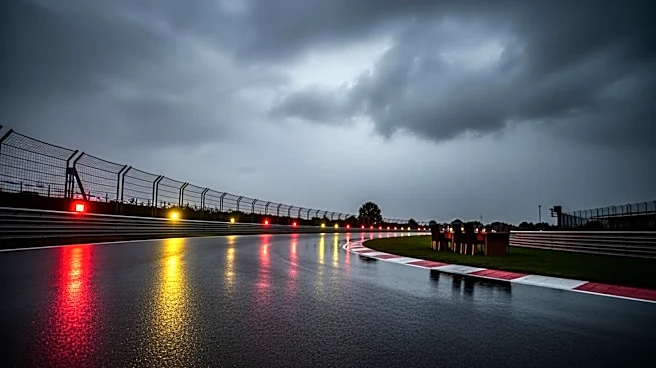
predict thunderstorms on race day, which could lead to significant disruptions. According to U.S. law, major outdoor events must be paused if thunderstorms are imminent due to lightning risks, which would also prevent the medical helicopter from operating, thereby halting the race. Despite these concerns, the FIA remains optimistic about proceeding as planned, citing a contingency plan developed from similar experiences in previous years, such as the 2024 Brazilian Grand Prix. The organization has assured that it will adjust the race schedule if necessary to minimize disruptions.
Why It's Important?
The potential weather disruptions at the Miami Grand Prix highlight the challenges faced by major sporting events in dealing with unpredictable weather conditions. The FIA's proactive approach in developing contingency plans underscores the importance of safety and regulatory compliance in motorsports. This situation also emphasizes the economic implications for the city of Miami, which benefits from the influx of visitors and global attention during the Grand Prix. Any delays or cancellations could impact local businesses and the broader economic benefits associated with hosting such a high-profile event. Additionally, the FIA's handling of the situation could set a precedent for future events facing similar challenges.
What's Next?
Should the weather forecasts materialize, the FIA may need to implement its contingency plans, which could include rescheduling the race start time. This decision would require coordination with local authorities and stakeholders to ensure safety and compliance with regulations. The outcome of this situation could influence future planning and risk management strategies for Formula 1 events globally. Stakeholders, including teams, sponsors, and fans, will be closely monitoring the FIA's response to gauge its effectiveness in managing such disruptions.