

What's Happening?
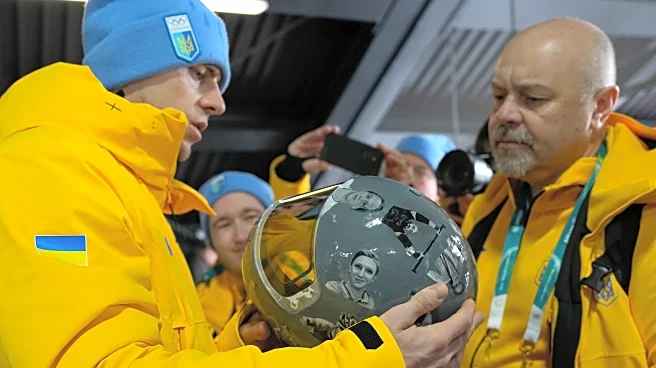
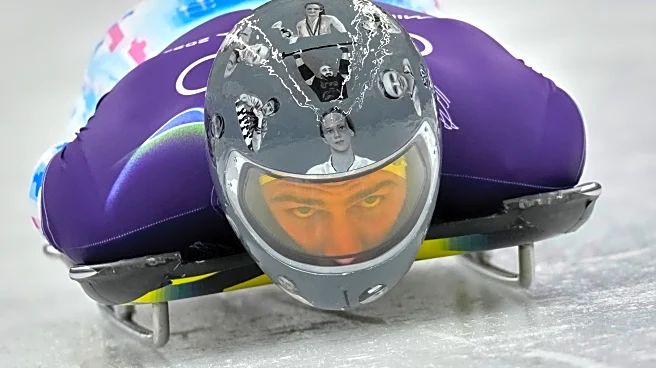
Ukrainian skeleton athlete Vladyslav Heraskevych has been banned from participating in the Milan Cortina Games due to his insistence on wearing a helmet that pays tribute to athletes and coaches killed in the war with Russia. The helmet, which features portraits of fallen Ukrainian athletes, has sparked a significant reaction from various stakeholders. International Olympic Committee (IOC) President Kirsty Coventry acknowledged the powerful message of remembrance conveyed by the helmet but emphasized the need to maintain neutrality on the field of play. Ukrainian President Volodymyr Zelenskyy expressed support for Heraskevych, highlighting the helmet as a symbol of honor and a reminder of the ongoing conflict with Russia. The decision has drawn
criticism from several quarters, including European Union Ambassador to Ukraine Katarina Mathernova, who pointed out the inconsistency of allowing Russian and Belarusian athletes to compete under a neutral flag while banning Heraskevych.
Why It's Important?
The ban on Heraskevych underscores the ongoing tension between sports and politics, particularly in the context of the Russia-Ukraine conflict. The decision by the IOC to prohibit the helmet tribute has sparked a debate about the role of sports as a platform for political expression and remembrance. This incident highlights the challenges faced by international sports organizations in maintaining neutrality while addressing the personal and national sentiments of athletes. The ban could have broader implications for how political symbols and messages are managed in international sporting events, potentially influencing future policies and athlete conduct. The situation also reflects the broader geopolitical tensions and the impact of the Russia-Ukraine conflict on global sports.
What's Next?
The controversy surrounding Heraskevych's ban may lead to further discussions within the IOC and other sports governing bodies about the balance between political expression and sportsmanship. Stakeholders, including athletes, national Olympic committees, and international organizations, may push for clearer guidelines on the use of political symbols in sports. The incident could also prompt a reevaluation of the IOC's policies regarding the participation of athletes from countries involved in conflicts. As the Milan Cortina Games approach, the IOC may face increased scrutiny and pressure to address these issues transparently and equitably.
Beyond the Headlines
The ban on Heraskevych raises ethical questions about the role of sports in addressing global conflicts and the responsibility of athletes to use their platforms for advocacy. It also highlights the cultural significance of sports as a means of preserving memory and honoring those affected by war. The decision may influence how future generations perceive the intersection of sports and politics, potentially leading to a shift in how athletes engage with social and political issues. The incident serves as a reminder of the complex interplay between sports, national identity, and global diplomacy.