






What's Happening?
Qualcomm, a major player in the semiconductor industry, experienced a significant drop in its stock value, plummeting over 11% in a single session. This decline marks Qualcomm's worst performance since 2020. The downturn in chip stocks comes as investors
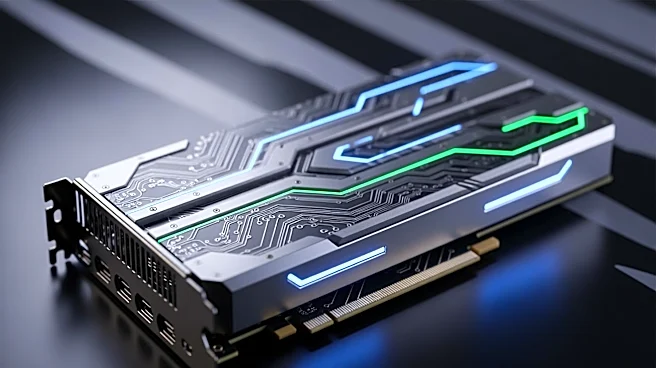
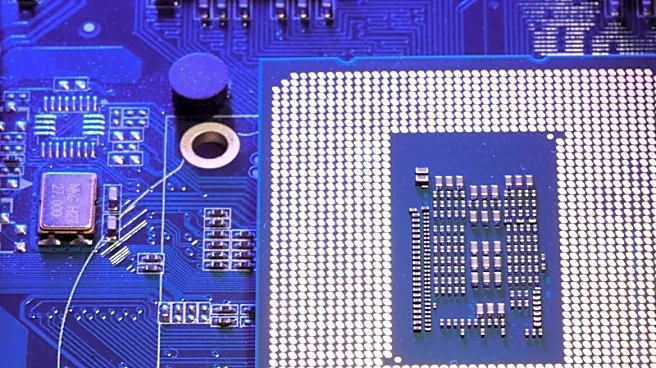
shift to a risk-off mode following a higher-than-expected consumer inflation report. The inflation concerns are exacerbated by rising oil prices due to the ongoing conflict in Iran. The semiconductor sector, which had been riding high on the back of an AI-driven rally, saw other companies like Intel and Skyworks Solutions also suffer declines. The iShares Semiconductor ETF, which tracks the sector, fell by 3%. The recent rally in chip stocks was largely driven by the demand for central processing units and graphics processing units, essential for AI applications, which had previously propelled stocks like Nvidia to new heights.
Why It's Important?
The decline in Qualcomm's stock and the broader pullback in semiconductor stocks highlight the volatility and sensitivity of the market to macroeconomic factors such as inflation and geopolitical tensions. The semiconductor industry is crucial for the advancement of AI technologies, and fluctuations in this sector can have significant implications for tech innovation and economic growth. Investors' shift away from riskier assets in response to inflation fears could impact funding and development in AI and related technologies. Additionally, the supply chain issues and price hikes in memory chips underscore the ongoing challenges in meeting the growing demand for AI components, which could affect the pace of AI adoption and integration across various industries.
What's Next?
As the semiconductor industry navigates these challenges, companies may need to reassess their strategies to mitigate risks associated with inflation and geopolitical instability. Investors and industry stakeholders will likely monitor economic indicators closely to gauge future market movements. The ongoing supply chain constraints and price adjustments in memory chips may prompt companies to explore alternative solutions or partnerships to ensure a steady supply of components. Additionally, the transition from AI training to operational deployment could drive further demand for diverse AI components, potentially reshaping the competitive landscape in the semiconductor sector.