




What's Happening?
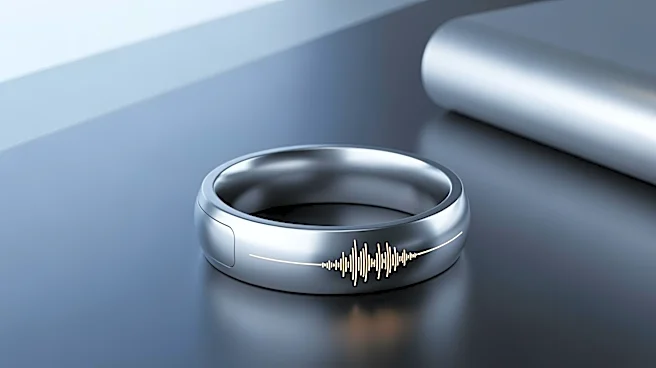
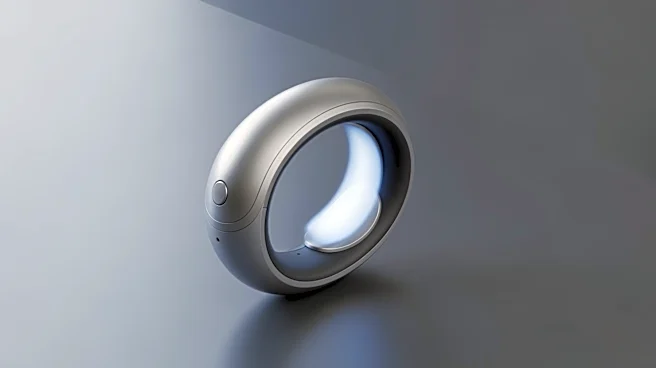
The Oura Ring 5, recently announced, is being compared to the Fitbit Air, highlighting a significant shift in wearable technology preferences. The Oura Ring 5 is a smart ring that offers improved features over its predecessor, including a 40% reduction
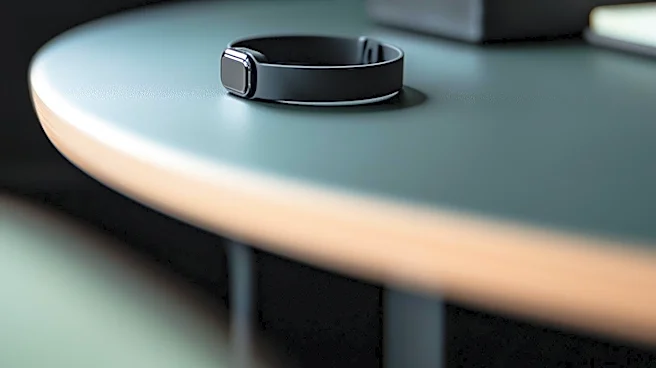
in size and enhanced durability, along with a new blood pressure monitoring capability. Despite these advancements, the Fitbit Air, a screenless wrist-based fitness tracker, is gaining attention for its comfort and practicality. Users have noted that the Fitbit Air's design allows for uninterrupted daily activities, unlike the bulkier Oura Ring, which can be cumbersome during tasks like weightlifting or cooking. The Fitbit Air's week-long battery life and distraction-free design are appealing to those who prefer a minimalist approach to health tracking.
Why It's Important?
The competition between the Oura Ring 5 and Fitbit Air underscores a broader trend in the wearable technology market towards more user-friendly and comfortable devices. This shift could influence consumer preferences, potentially impacting sales and market strategies for companies like Oura and Fitbit. The emphasis on comfort and practicality in wearable design reflects a growing demand for devices that integrate seamlessly into daily life without compromising functionality. As consumers prioritize ease of use and comfort, companies may need to innovate further to meet these expectations, potentially leading to new product developments and shifts in market dynamics.
What's Next?
As the wearable technology market evolves, companies like Oura may need to consider diversifying their product lines to include wrist-based wearables, similar to the Fitbit Air, to remain competitive. The popularity of the Fitbit Air suggests a potential market for screenless, wrist-based devices that offer the same health tracking capabilities as smart rings. Oura's future strategies might involve exploring new form factors or enhancing the comfort and usability of their existing products. Additionally, the success of the Fitbit Air could prompt other companies to develop similar products, increasing competition and innovation in the wearable technology sector.