








What's Happening?
Fast fashion, characterized by the rapid production of inexpensive clothing, is facing criticism for its detrimental effects on the environment, workers, and public health. The industry is responsible for significant textile waste and carbon emissions,
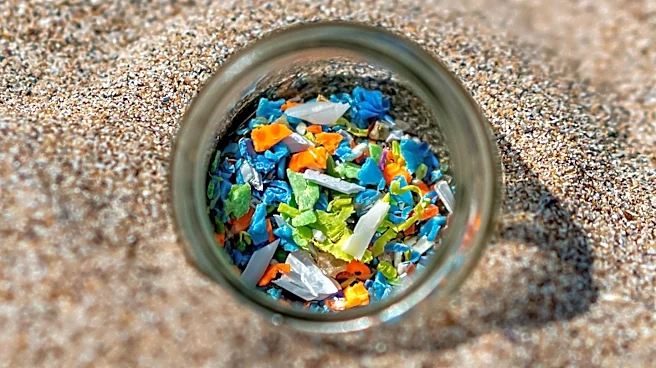
contributing to environmental degradation. Additionally, the use of synthetic fabrics in fast fashion raises concerns about microplastic pollution and its potential impact on human health. Despite these issues, the fast fashion market continues to grow, driven by consumer demand for affordable and trendy clothing.
Why It's Important?
The fast fashion industry's environmental impact is significant, with millions of tons of textile waste generated annually. This waste often ends up in landfills or is incinerated, contributing to pollution and climate change. The industry's reliance on synthetic fabrics also poses health risks, as microplastics shed from these materials can enter the food chain and water supply. Addressing these issues requires a shift in consumer behavior and increased awareness of the long-term consequences of fast fashion. The industry's growth highlights the need for sustainable practices and regulatory measures to mitigate its impact.
What's Next?
Efforts to address the negative impacts of fast fashion may include increased regulation, consumer education, and the promotion of sustainable alternatives. Research into the health effects of microplastics could further influence public opinion and drive demand for more environmentally friendly clothing options. The industry may also face pressure from activists and policymakers to adopt more sustainable practices and reduce its environmental footprint.