
What's Happening?
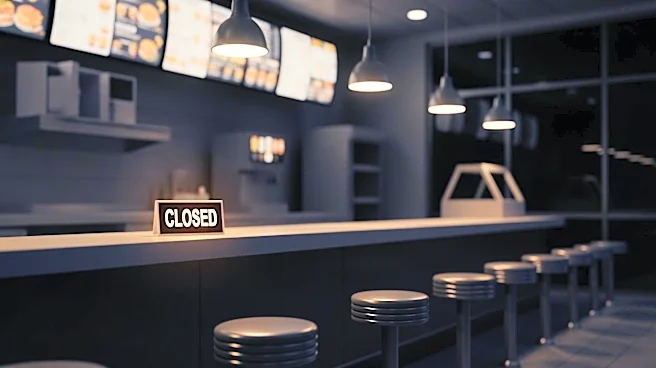
The late-night fast-food culture in the United States, which saw a significant decline during the COVID-19 pandemic, is showing signs of a potential comeback. Many fast-food chains had reduced their operating
hours due to a sharp drop in sales and increased operational costs. According to the U.S. Department of Agriculture, restaurant sales plummeted by 47% in April 2020 compared to the previous year, prompting many operators to cut hours and reduce costs. Between 2020 and 2024, the number of restaurants offering 24-hour service decreased by 18%, as reported by Yelp. Rising food costs, inflation, and thin profit margins have made it challenging for restaurants to justify late-night operations. Additionally, staffing overnight shifts remains difficult due to higher wages and safety concerns. Despite these challenges, some chains like Wendy's, McDonald's, and Burger King are gradually extending their hours again, responding to a slight increase in consumer demand since 2023.
Why It's Important?
The potential resurgence of late-night fast-food operations could have significant implications for the U.S. economy and the food service industry. Extended hours could lead to increased employment opportunities as chains hire more staff to accommodate longer operating times. This shift may also reflect changing consumer habits post-pandemic, with a renewed interest in convenience and dining out. However, the industry still faces hurdles such as rising operational costs and the need to adapt to evolving consumer preferences, including a growing focus on health and wellness. The success of this comeback will depend on the ability of fast-food chains to balance these economic pressures with consumer demand.
What's Next?
As some fast-food chains begin to extend their hours, the industry will closely monitor consumer response and sales data to determine the viability of maintaining longer operating hours. Chains like Wendy's and McDonald's have already announced plans to hire additional staff, indicating a cautious optimism about the potential for increased late-night business. The industry may also see further innovations in menu offerings and service models to attract late-night customers. Additionally, the impact of local regulations and safety concerns on late-night operations will continue to be a factor in strategic planning for these businesses.